Choosing a local moving company comes down to three checks: confirming the company is properly licensed and insured for moves within your state, getting a written estimate based on an actual walkthrough rather than a phone guess, and reading recent reviews for patterns, not just star ratings. Local moves feel low-stakes compared to a cross-country relocation, so people often skip the vetting they would normally do, and that is exactly when problems show up.
A short move across Niceville, Destin, or Fort Walton Beach still involves a truck, a crew, and every box you own riding in someone else's hands. The company you pick determines whether that day is boring or expensive. Here is what actually separates a reliable local mover from one that will cost you more than the estimate suggested.
What makes a local moving company different from a long-distance one?
Local movers are typically licensed at the state level rather than federally, and they usually charge by the hour instead of by weight or distance. That changes what you should be checking. A federal USDOT number matters for a move crossing state lines, but for a move staying inside Florida, you want to confirm state-level registration and general liability coverage instead.
Hourly billing also means the crew's speed and staffing level affect your final cost directly. A company that sends two movers when the job needs three will finish slower and may not actually save you money. Ask how many movers and trucks are included in the quoted rate before you compare prices between companies.
Should you trust a phone quote or insist on an in-home estimate?
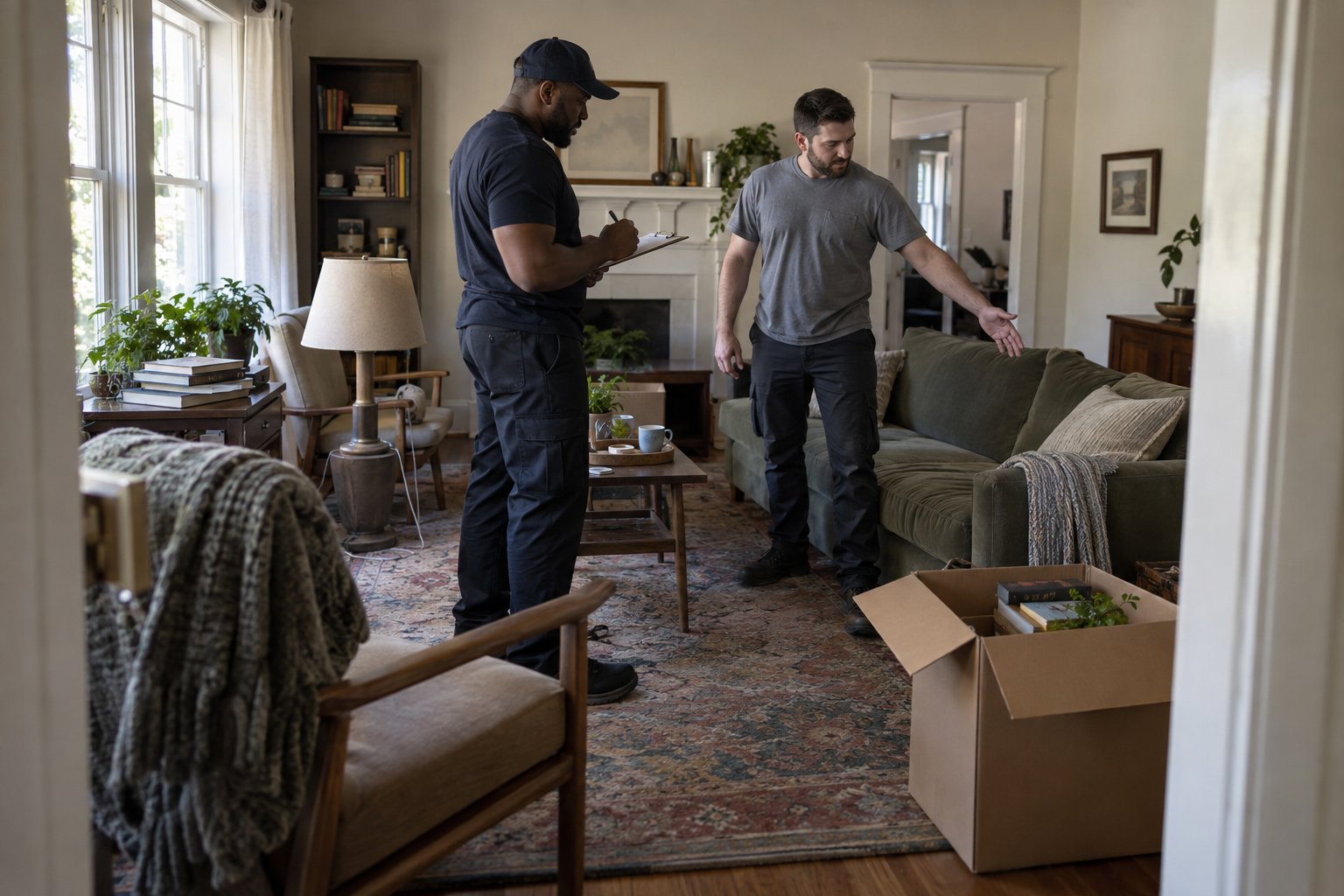
Insist on an in-home or video walkthrough estimate whenever possible. A phone quote based on a self-reported inventory is the single biggest source of "surprise" charges on moving day, because most people underestimate how much they own by a wide margin.
During a walkthrough, a good estimator will ask about stairs, elevators, parking distance from the truck to your door, and any large or awkward items like a piano or a safe. If a company quotes you a flat hourly rate without asking any of these questions, treat that as a warning sign rather than a convenience. The estimate should also spell out what counts as a "stop" if you have a storage unit or a second address involved in the move.
Binding versus non-binding estimates
A binding estimate locks in the price based on the inventory reviewed. A non-binding estimate is just that: an educated guess that can change once the crew sees the actual job. Ask directly which type you are being given, and get it in writing either way.
What licensing and insurance should a local mover actually have?
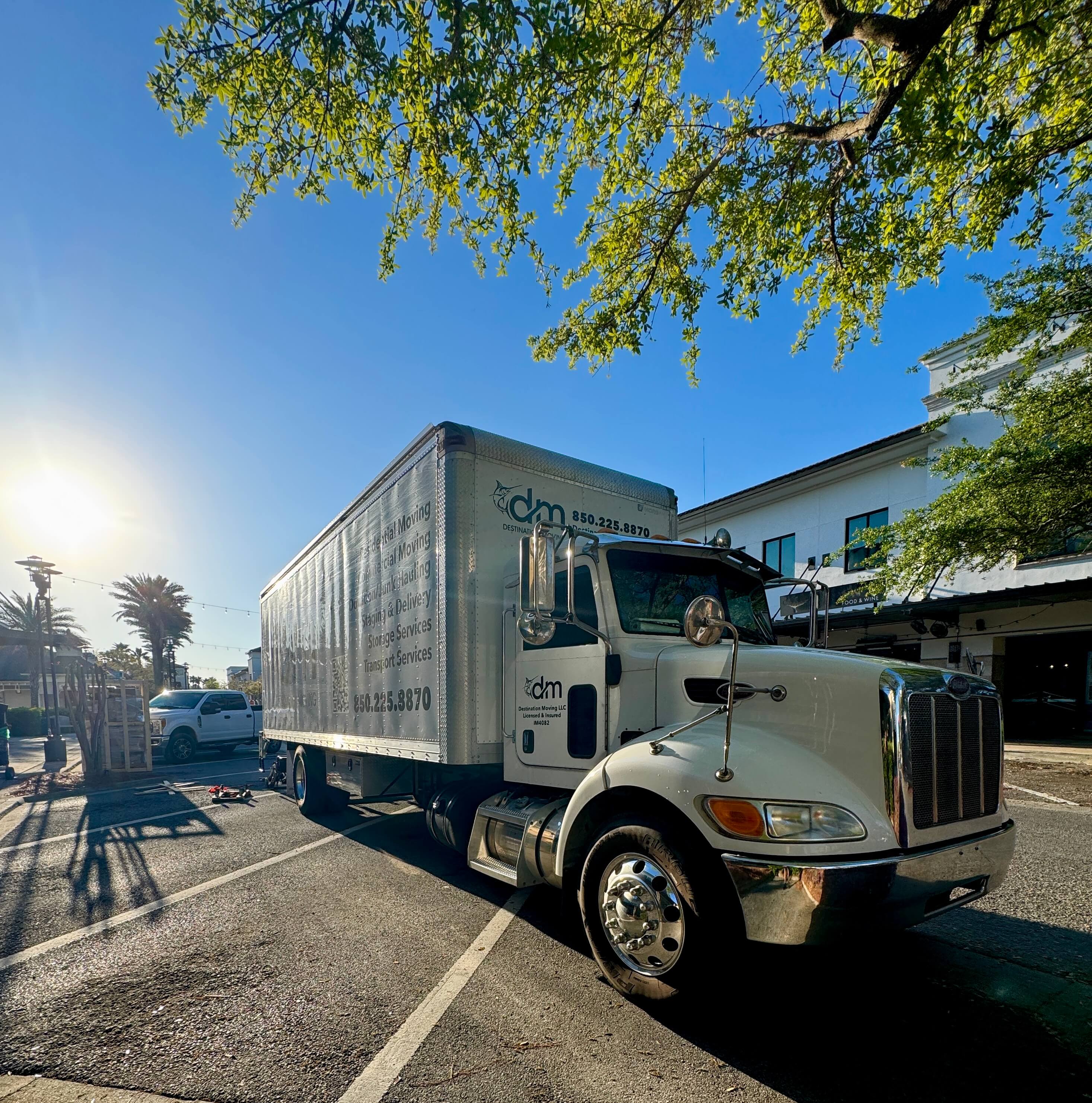
At minimum, a legitimate local moving company carries general liability insurance and workers' compensation coverage for its crew, and it should be able to produce proof of both without hesitation. Florida does not require a specific state moving license the way some states do, but reputable companies still carry commercial auto insurance and cargo coverage for your belongings while they are in the truck.
Ask what happens if something is damaged. A company with nothing to say beyond "we'll take a look" is telling you they have no real claims process. You want a specific answer: a claim form, a timeframe for review, and a stated valuation policy for the items in the truck.
How do you spot a local moving company that will cause problems later?
Watch for a large deposit demanded before any work is done, a company name that changes between the website, the truck, and the contract, and reviews that are overwhelmingly recent with little history before that. Any one of these alone might mean nothing, but two or more together are worth walking away from.
Other patterns worth checking: whether the company answers calls with a company name or just "moving service," whether they have a real local address versus a PO box, and whether their online reviews mention specific crew behavior (careful, communicative, on time) rather than generic praise. Specific complaints about hidden fees or hourly clock games are more telling than a low star average, since even good movers get an occasional bad review.
Questions worth asking before you book
- How many movers and trucks are included at the quoted rate, and what happens if the job runs long?
- Is the estimate binding or non-binding, and what would change the final price?
- What is the claims process if something is damaged, and is there a stated valuation policy?
- Do you subcontract any part of the move to another company?
- What is your cancellation and rescheduling policy?
Does the cheapest local moving quote actually save you money?
Rarely, and often the opposite. The lowest hourly rate combined with a light crew size can end up costing more than a slightly higher rate with an efficient, adequately staffed team, because the job simply takes longer. Compare the estimated total hours and crew size across quotes, not just the rate per hour.
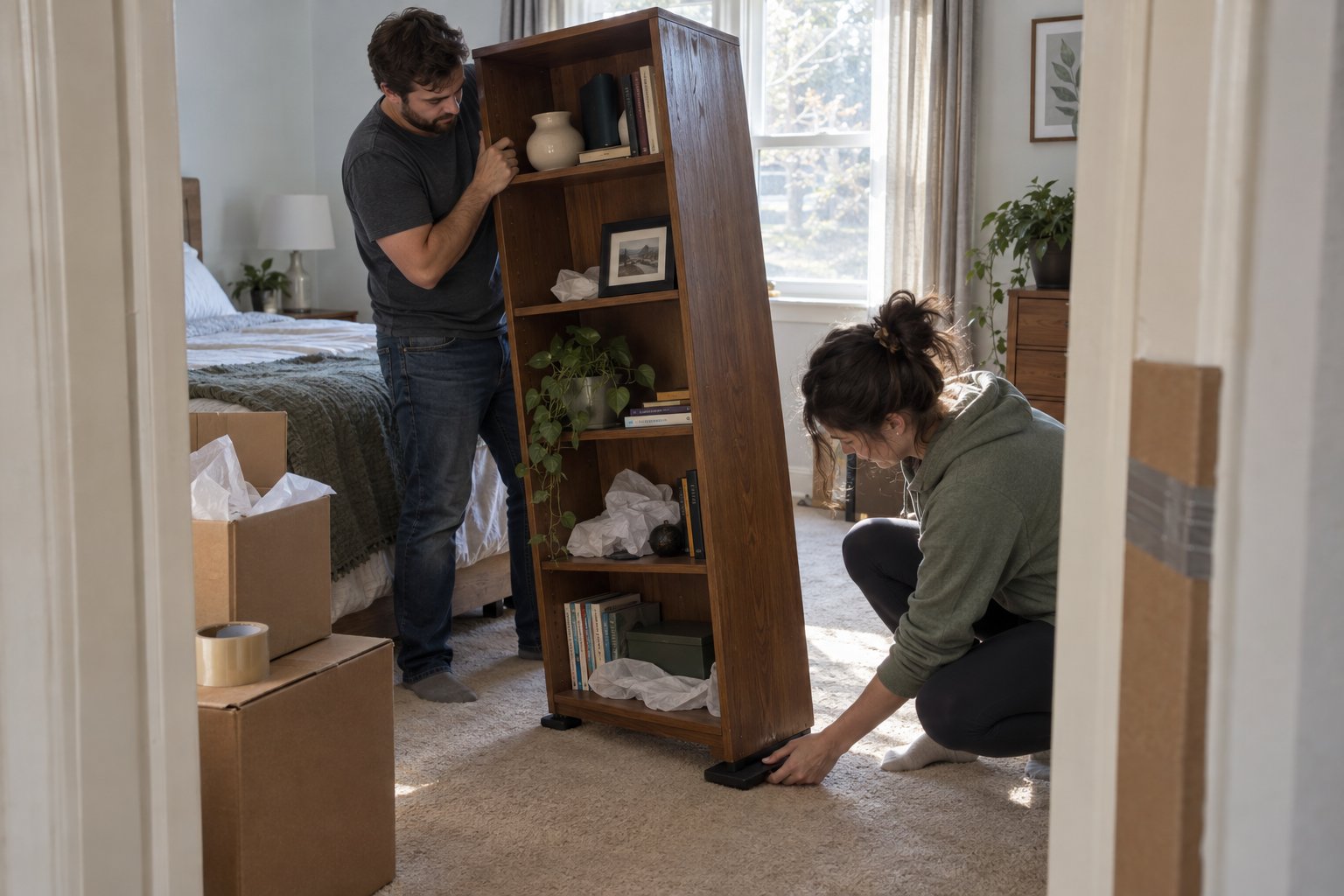
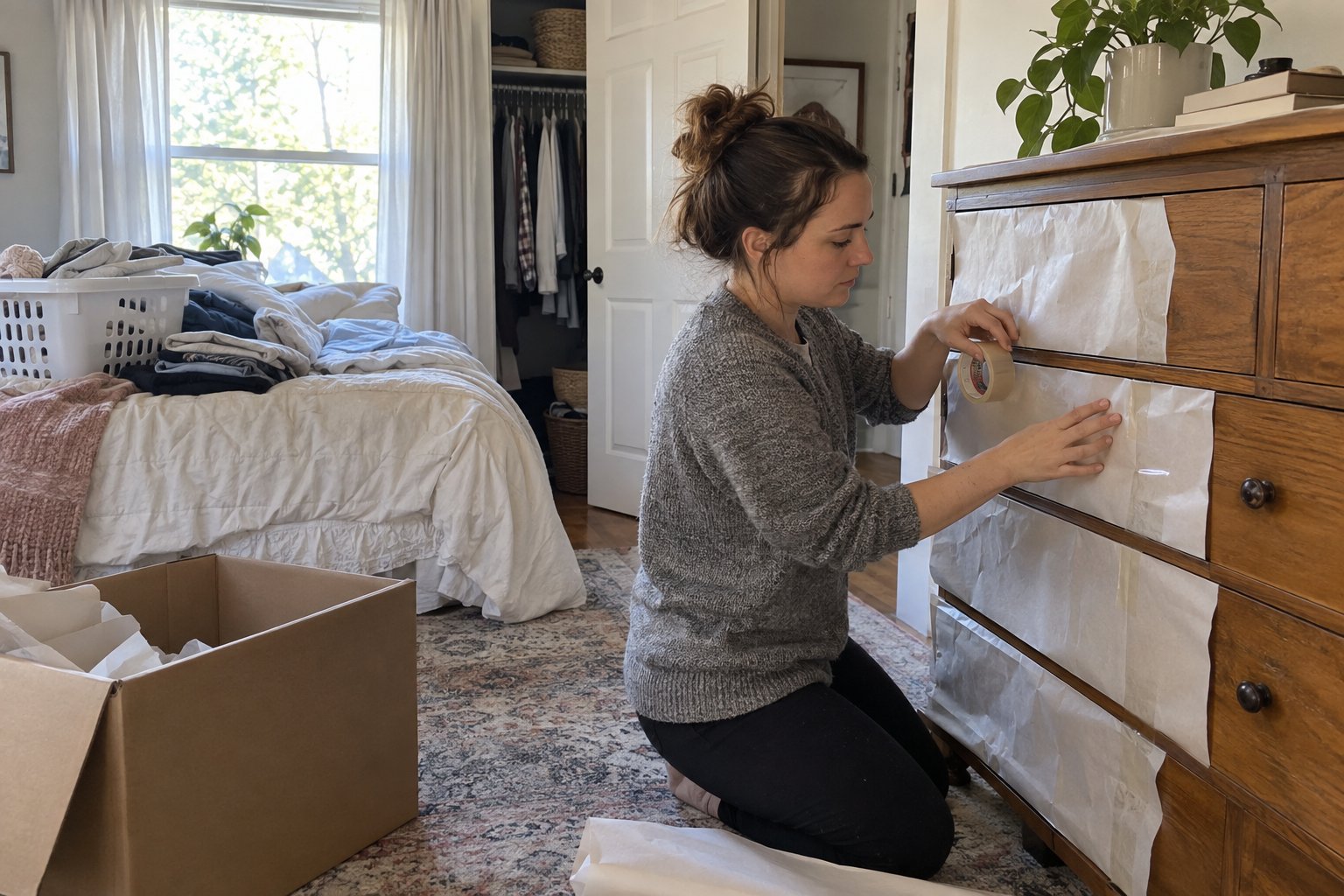
It also helps to ask what services are bundled into the quote versus billed separately. Furniture disassembly, appliance handling, and loading and unloading assistance for a storage unit stop are sometimes included and sometimes an add-on, and that difference can swing the total more than the base rate does. If your move includes packing help, confirm whether packing materials are supplied or billed by the box.
Once you have narrowed your options down using these checks, the easiest next step is requesting a detailed, in-home quote so you are comparing real numbers instead of guesses. If your search started because you assumed you needed a long-distance mover but you are actually staying within the region, our guide on vetting a long distance moving company covers the additional questions that apply once state lines are involved. For most local moves within our service area, a residential moving quote is the fastest way to get an accurate, walkthrough-based estimate.