DIY moving vs hiring movers usually comes down to one question: can you and the people you've recruited actually get everything loaded, driven, and unloaded in the time you have, without hurting yourselves or your furniture? Renting a truck is simple. Filling it safely and emptying it at the other end is the part that trips people up. Here's how the two options compare on the things that actually matter on moving day.
What's the real difference between DIY moving and hiring movers?
DIY moving means you rent the truck, recruit the labor, and handle every box and piece of furniture yourself from start to finish. Hiring movers means trained crews do some or all of that physical work, from loading a truck you've rented to handling the entire move for you. The difference isn't just who carries the couch. It's who plans the load, who takes on the risk of damage or injury, and who owns the timeline if something goes wrong.
A lot of people treat this as an all-or-nothing choice, but it doesn't have to be. You can rent your own truck and still bring in professional help just for the loading and unloading, which is often where DIY moves actually fall apart.
Time: how long does each option actually take?
A DIY move almost always takes longer than a professionally loaded one, mostly because untrained movers stop to figure out how pieces fit, make repeat trips for tools and padding, and tire out partway through. As a rule of thumb, plan on a full day for loading a typical home into a truck yourself, and another full day to unload at the new place.
A trained loading crew works from a plan: biggest and heaviest items first, weight distributed low and toward the cab, soft goods used to fill gaps so nothing shifts in transit. That experience compresses the same job into a few hours rather than a full day, which matters most when you're also managing a truck rental window, a closing date, or a flight.
Effort and physical risk: who's doing the lifting?
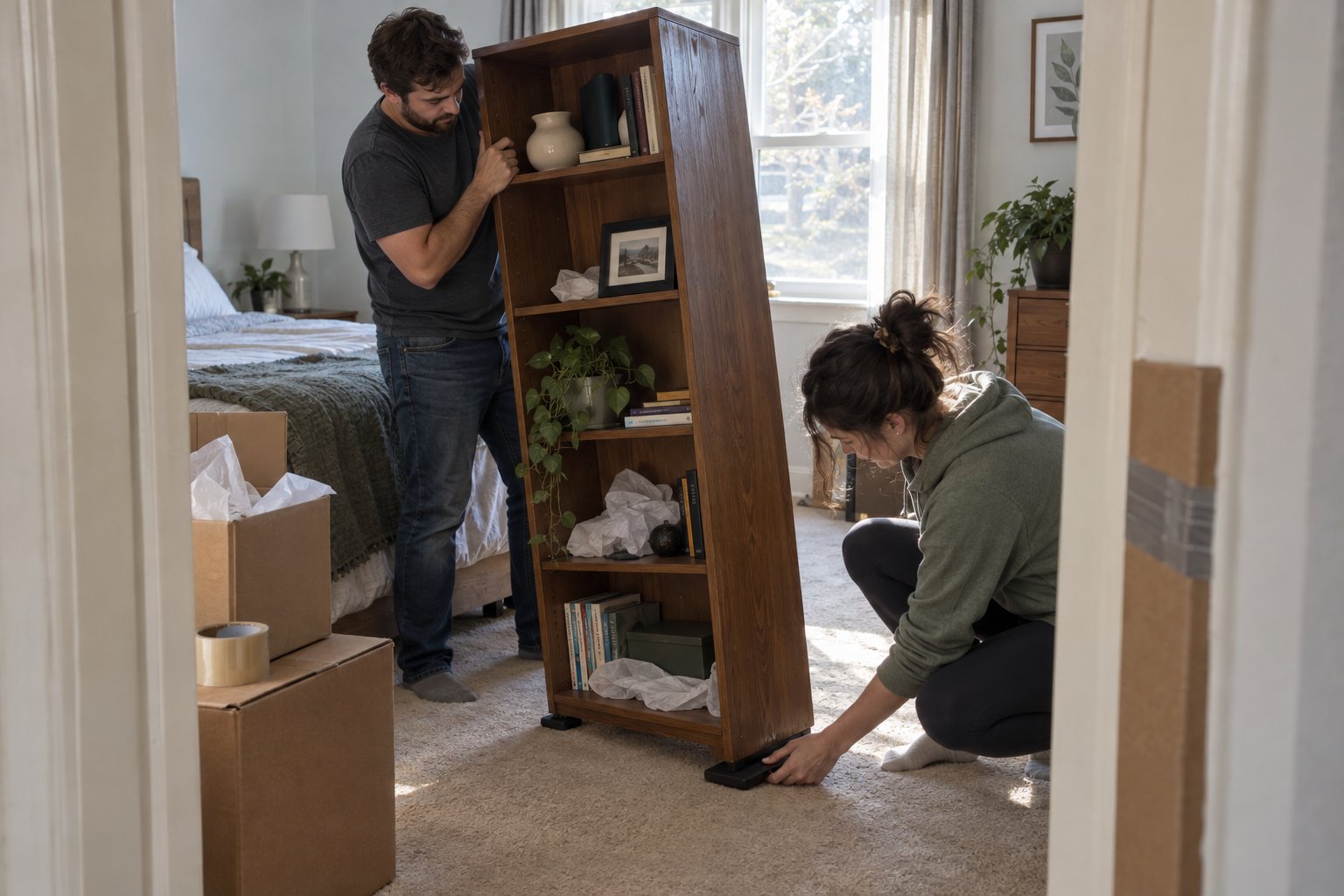
With DIY moving, you and whoever you've recruited are doing every lift, carry, and stair climb yourselves, which means you're also absorbing all the physical risk. Sore backs, pinched fingers, and dropped boxes are the most common outcomes, and they tend to show up the day after the move, not during it.
Hiring movers for loading and unloading shifts that physical burden to people who do it daily and know how to carry weight safely. If you go the DIY route anyway, follow basic lifting guidance (bend at the knees, keep loads close to your body) and the OSHA ergonomics guidance covers the fundamentals in more detail. Either way, have a plan for furniture pads, straps, and a dolly before moving day, not during it.
Risk to your belongings: what actually gets damaged?
Untrained loading is the single biggest cause of damage in a DIY move, not the drive itself. Furniture that isn't braced shifts under braking, boxes packed loosely crush under weight, and items padded last get the least protection because the energy to wrap carefully is gone by hour six.
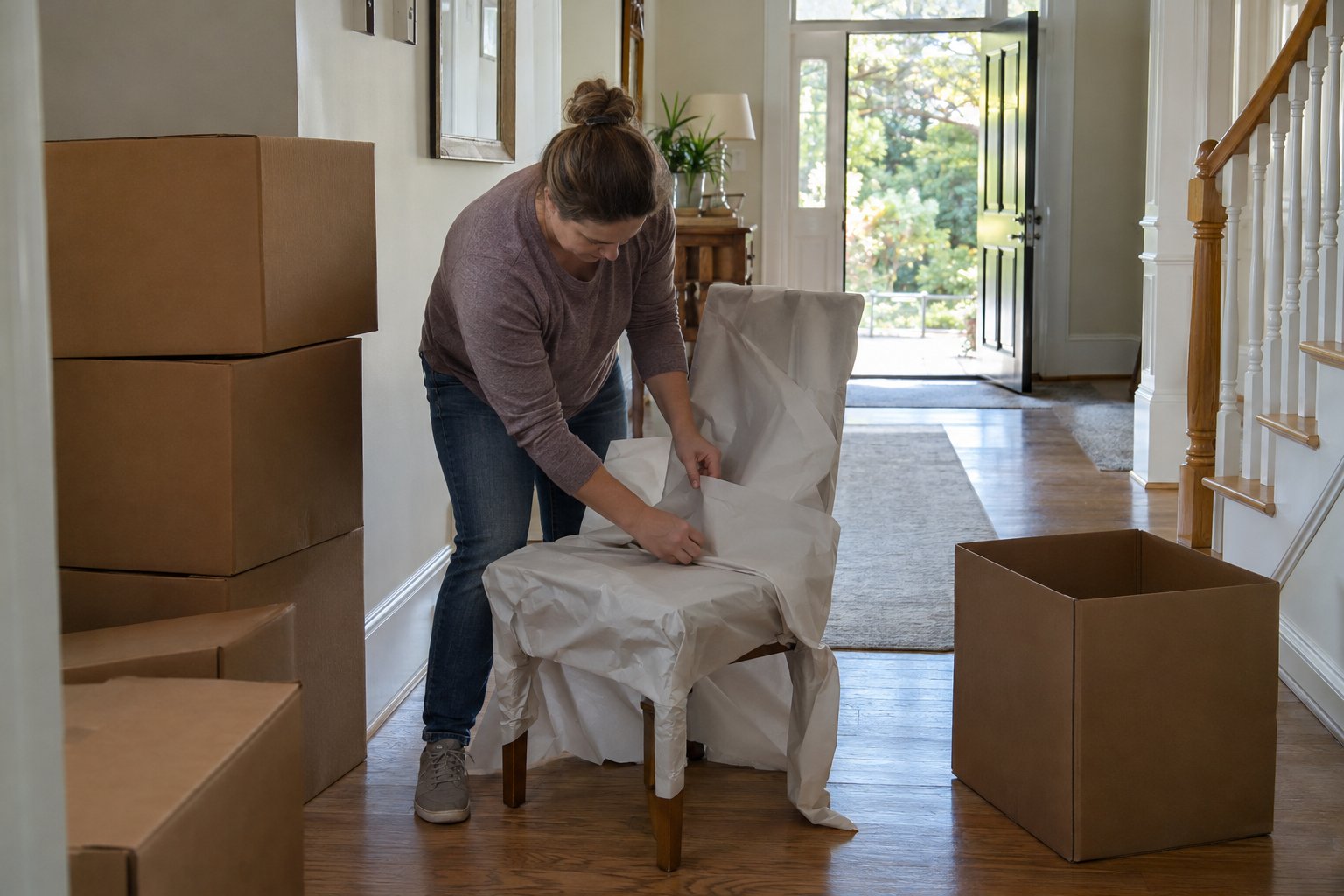
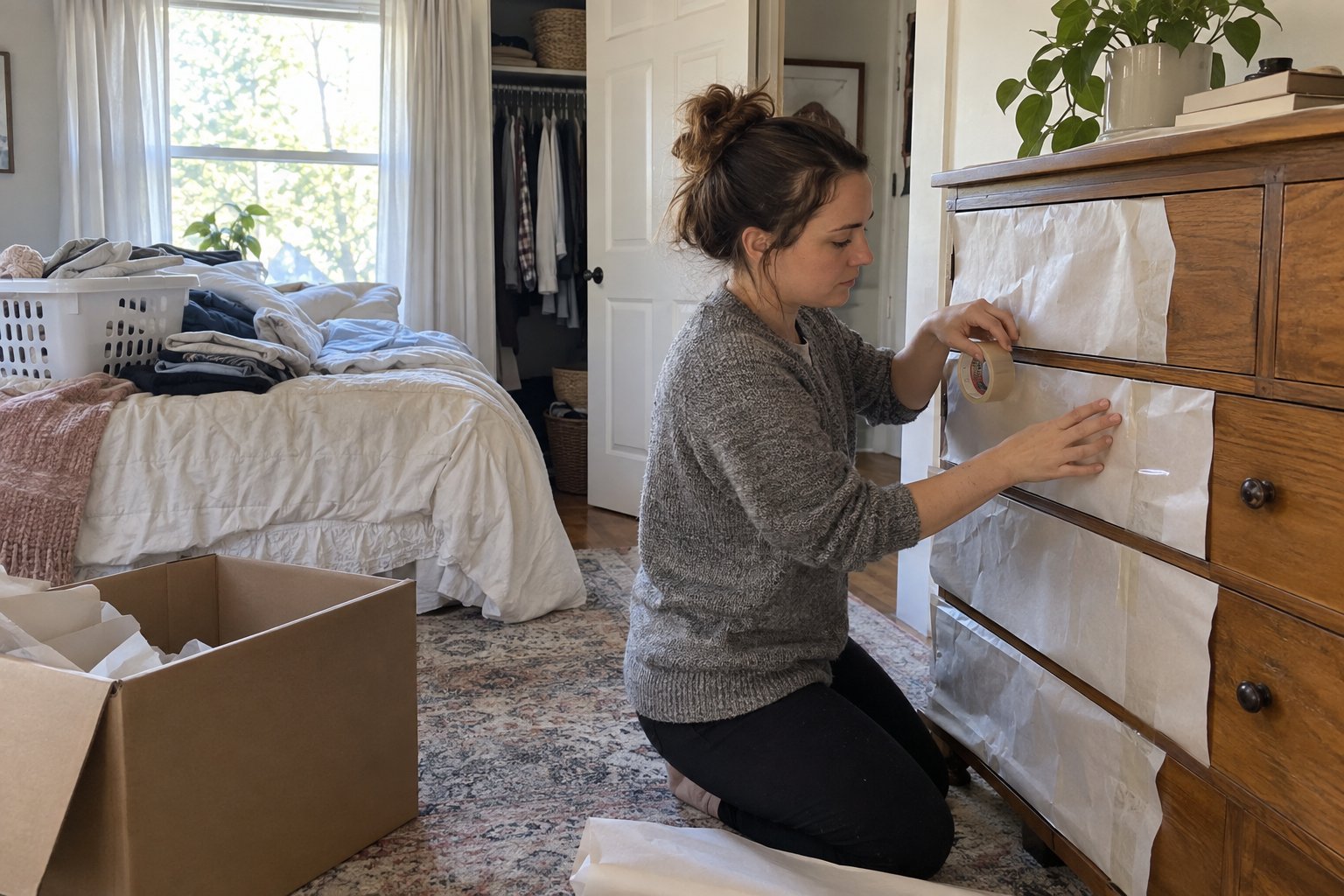
A professional crew pads and wraps furniture, protects floors and doorframes at both ends, and builds the load so nothing moves in transit. If your home has narrow stairways, a tight turn at the top of a staircase, or furniture that barely fit through the door on the way in, those are exactly the situations where an inexperienced crew runs into trouble, and where moving truck loading and unloading help earns its keep.
Which option fits your situation?
DIY moving tends to fit smaller apartments, moves with very little heavy furniture, or situations where you have several able-bodied helpers and a flexible timeline with no closing date or lease deadline pressing on you. It also suits movers who genuinely enjoy the hands-on process and aren't worried about a sore back the next day.
Hiring movers, even just for loading and unloading, fits homes with stairs, heavy furniture, a tight schedule, or a household where an injury would be a real problem, not just an inconvenience. It also makes sense if you're renting your own truck for a long-distance move and want the peace of mind that your things were loaded correctly before a multi-day drive. For most households with a full apartment or house worth of furniture, bringing in help for the loading and unloading is the more reliable choice, since it removes the two steps where DIY moves most often go wrong.
If you're weighing whether to hand off the whole move instead, our guide on how to choose a moving company walks through what to look for beyond just loading and unloading.
Can you mix the two approaches?
Yes, and many people do. Renting your own truck but hiring a crew for loading and unloading, sometimes called a labor-only move, gives you control over your schedule and your own vehicle while handing off the part of the job most likely to cause injury or damage. It's a middle path worth considering if a full-service move feels like more than you need but a fully DIY move feels like more risk than you want to take on.
Whichever way you lean, give yourself more preparation time than you think you need. Disassemble large furniture, wrap fragile items, and clear a path from the door to the truck before anyone starts carrying. If you're moving within or into one of our service areas, including Destin, FL or Niceville, FL, having that path clear matters even more if your driveway or entryway is tight.
A simple way to decide
If you can answer yes to two or more of these, hiring help for loading and unloading is probably worth it: your home has stairs or a long carry to the truck, you have furniture heavier than a mattress and box spring, your timeline doesn't have room for a full extra day, or nobody in your group has done this before. If none of those apply, a fully DIY move with a couple of helpers is a reasonable option.
Either way, request a written quote before moving day so you know exactly what's included, whether you need full service or just help with the truck.
Planning your move? Request a quote from Destination Moving.