Planning a Move: A Detailed Timeline Guide
Planning a relocation often starts with one central question: how long does it take to move from your current residence to a new property? The answer varies significantly based on the size of your household and the distance traveled. Understanding these variables allows you to build a realistic schedule that minimizes last minute stress and logistical errors. For those transitioning across state lines, hiring experts for long-distance moves ensures that the complex logistics and transit times are managed professionally.
Synchronize your schedule with our logistics coordinators by dialing 850-225-8870 to secure an efficient and timely transition for your family.
Many families underestimate the time required for the preparation phase, which can take weeks before the truck even arrives. While the actual transport might only take a few hours or days, the sorting and packing of belongings is a massive undertaking. Being honest about your inventory levels is the first step toward finding an accurate answer for your situation.
Submit your inventory details to daniel@destinationmovingfl.com to receive a customized timeline that respects your unique moving requirements.
The Packing Phase Timeline
The packing stage is usually the most time consuming part of the entire relocation process for any homeowner. A small studio apartment might take one person two full days of dedicated work to box up everything safely. Larger homes with multiple bedrooms and storage areas often require a full week of consistent effort to pack properly.
Professional packing teams can significantly reduce this duration, often completing a three bedroom home in a single day. Their speed comes from experience and having the right materials ready for every type of item. If you are doing it yourself, start at least three weeks early to avoid a frantic finish.
Loading and Unloading Projections
Loading a moving truck is a strategic puzzle that requires physical strength and spatial awareness to execute. For a standard local move, loading a truck usually takes between three and five hours for a medium sized home. This includes moving furniture through doorways, navigating stairs, and securing every item with heavy duty straps.
Unloading typically goes faster since there is less pressure to fit items into a tight space on the truck. However, placing furniture in specific rooms and navigating new hallways still requires significant time and care. Expect the unloading process to take approximately two thirds of the time it took to load.
Distance and Transit Variables
Distance is a primary factor when calculating how long does it take to move your life to a different city. Local moves under fifty miles can usually be completed within a single eight hour workday. This assumes that the packing was done in advance and the weather remains clear during the transport phase.
When considering the scope of your project, most families find that professional residential moves streamline this process by providing the necessary manpower and equipment to handle the heavy lifting. Transit times are also heavily influenced by traffic patterns in major metropolitan areas.
Household Size and Inventory Density
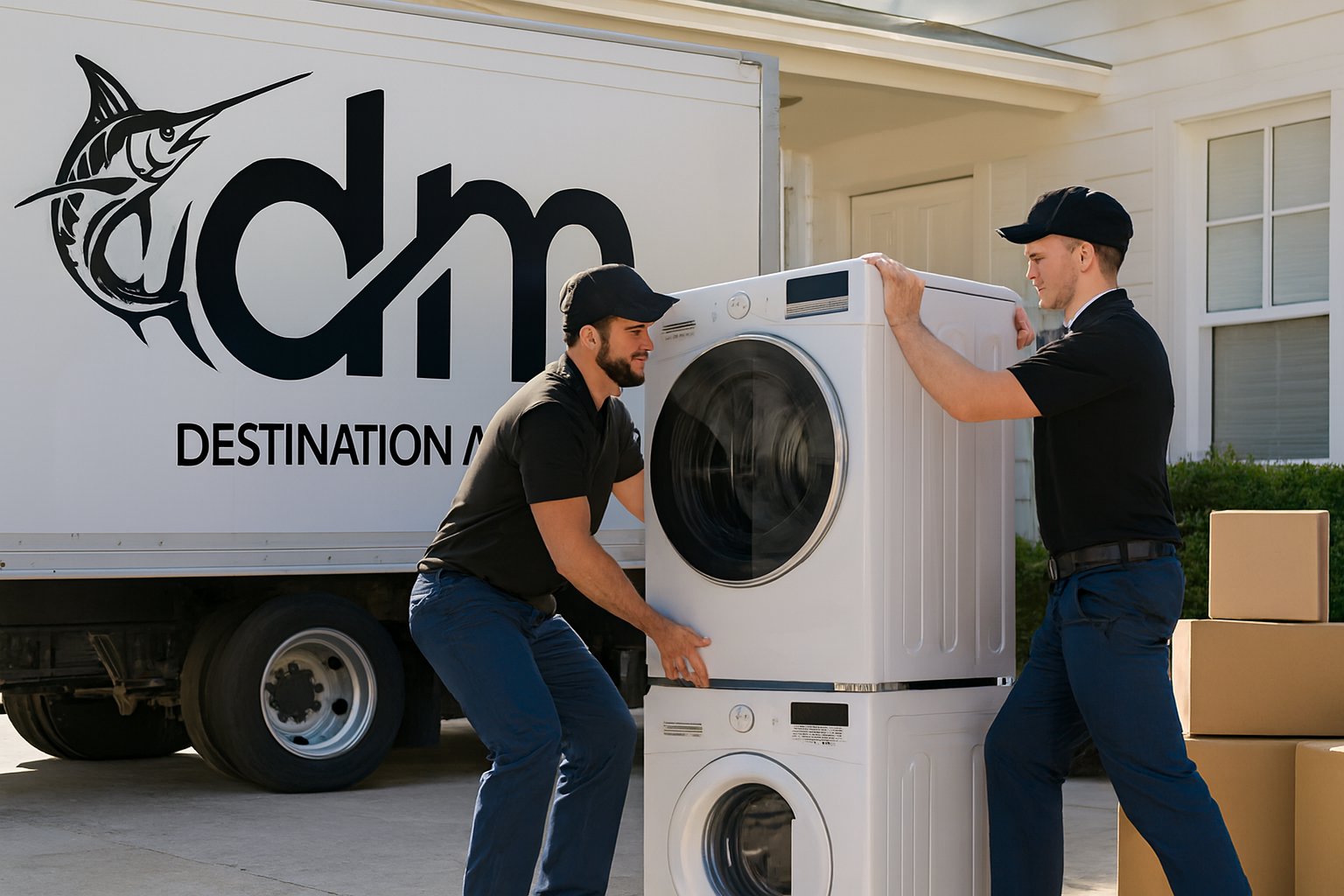
The sheer volume of your belongings dictates the pace of the entire moving day from start to finish. A house filled with heavy antique furniture and large appliances will naturally take longer to move than a minimalist apartment. Each additional room adds roughly one to two hours of labor to the total moving duration.
Inventory density in areas like garages, attics, and sheds often surprises people on the actual moving day. These spaces usually contain awkward items like tools and lawn equipment that are difficult to stack or pack efficiently. Clear out these non living spaces early to get a better sense of your total volume.
Factors That Slow Down the Process
- Navigating multiple flights of stairs or using slow freight elevators in high rise buildings.
- Long walking distances from the front door to the parked moving truck on the street.
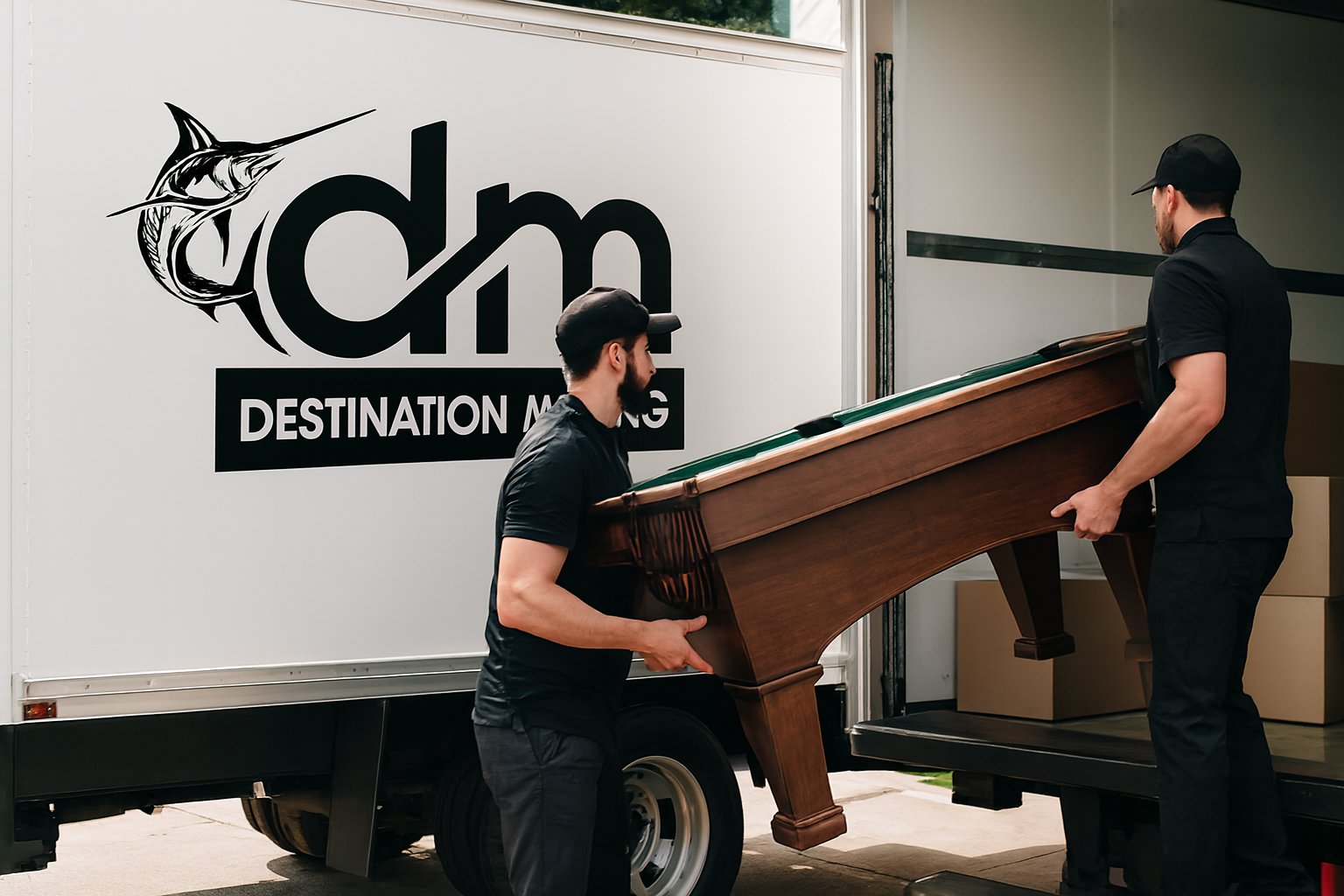
- Heavy or oversized items like pianos and treadmills that require specialized handling techniques.
- Unforeseen weather conditions such as heavy rain or snow that require extra floor protection.
Property Access and Parking Constraints
Tight parking situations can add significant time to your relocation if the truck cannot park near the entrance. Every extra foot of walking distance for the movers translates into added minutes for every single trip to the truck. If possible, reserve parking spaces directly in front of your home to speed up the process.
Narrow hallways and small door frames often require furniture disassembly, which adds more time to the loading phase. If you have large items that must be taken apart, do this the night before the move to save time. Having a clear path of travel is essential for keeping the team on schedule.
Weather and Seasonal Impacts
Moving during the peak of summer or mid winter can introduce environmental delays that are hard to predict. High heat requires more frequent breaks for the crew to stay hydrated and safe during the physical labor. Conversely, icy conditions require slower walking speeds and extra care to prevent slips and damage to your items.
Rainy days necessitate the use of extra moving blankets and floor runners to keep your new home clean and dry. While these precautions are necessary, they do add time to the setup and teardown of the moving site. Always build a small buffer into your schedule to account for these environmental variables.
Specialized Item Requirements
Certain belongings require extra attention that can extend the time it takes to move your household safely. Fragile items like fine art, glass tabletops, and delicate electronics must be wrapped with extreme precision to survive the journey. These tasks cannot be rushed without risking significant financial loss or sentimental heartbreak.
If you have a large library or a significant collection of small items, the boxing process will be slower. High density items are heavy and must be distributed across many small boxes to keep them manageable for the movers. Efficiently handling these specialized collections requires a methodical approach that respects the weight.
Organizing for Maximum Speed
Preparation is the ultimate secret to reducing how long does it take to move your property. Having all boxes taped, labeled, and stacked in a central location allows the movers to begin loading immediately upon arrival. Labeling boxes by room ensures the unloading process is equally fast and organized at the destination.
Disassembling bed frames and removing mirrors from dressers ahead of time can save up to two hours on moving day. If you wait until the movers arrive to do these tasks, you are paying for labor that could be spent loading. Your organization directly correlates with the final speed of the relocation.
The Role of Professional Crews
Hiring a professional team is the most effective way to shrink your moving timeline without compromising safety. Professionals use specialized equipment like ramps, dollies, and straps to move multiple items at once with total control. Their teamwork and communication allow them to solve spatial problems much faster than a DIY crew.
Experts are also trained to avoid common injuries and property damage that can halt a move entirely. If a DIY mover gets injured or drops a heavy item, the entire process stops while you deal with the crisis. Professionals keep the momentum moving forward through every challenge the day might present.
Unpacking and Setting Up the New Home
Once the truck is empty, the process of turning a house into a home begins with the unpacking phase. Most people find that unpacking takes twice as long as the initial packing because it involves organizing and decorating. Focus on the kitchen and bedrooms first to ensure you can eat and sleep comfortably.
Setting up the main furniture pieces provides the structural framework for the rest of your organization. If you have a professional team stay to help with furniture placement, your home will feel ready much faster. Expect to spend at least three to five days fully unpacking a standard sized home.
Administrative and Utility Timelines
Do not forget the time required to transfer your utilities and update your legal address with the government. These administrative tasks should be handled at least two weeks before your physical move to ensure a smooth transition. Losing internet or electricity on your first night in a new home can ruin the experience.
Scheduling these changes early ensures that services like water and trash collection are active the moment you arrive. While these tasks do not involve heavy lifting, they are essential components of the overall moving timeline. Staying on top of the paperwork prevents frustrating delays after the physical work is done.
Calculating Your Final Estimate
To get a final idea of your timeline, multiply the number of rooms by the estimated hours of labor. For a three bedroom house, you might expect six hours for loading and four hours for unloading locally. Adding the travel time between properties gives you a realistic view of your total moving day duration.
Always add a twenty percent buffer to your final calculation to account for unexpected delays or heavy traffic. It is better to finish early and have time to relax than to be rushing as the sun goes down. A well planned timeline is the foundation of a successful and calm relocation experience.
Managing Stress Through Planning
Staying calm during a move is much easier when you know exactly what to expect at each stage. High stress levels often lead to mistakes or forgotten items that can extend the process and cause frustration. By following a structured timeline, you can maintain a sense of control over the entire event.
Take breaks when needed and keep essential items like snacks and water easily accessible for everyone involved. A happy and hydrated team works much more efficiently than one that is exhausted and hungry. Treating the move as a marathon rather than a sprint ensures a better outcome for everyone.
Final Review of the Move
Before the truck pulls away from your old home, do a final walkthrough of every room and closet. Check the attic, basement, and even the dishwasher to ensure no items were left behind in the rush. If you find items you no longer need during this stage, utilizing donation removal services can clear out unwanted clutter while benefiting the community.
Confirm that the movers have the correct address and directions to the new location before they depart. Communication is the key to preventing any wrong turns that could delay the arrival of your belongings. A successful move is the result of a coordinated effort between you and your professional relocation team.
Professional Logistics For a Faster Relocation
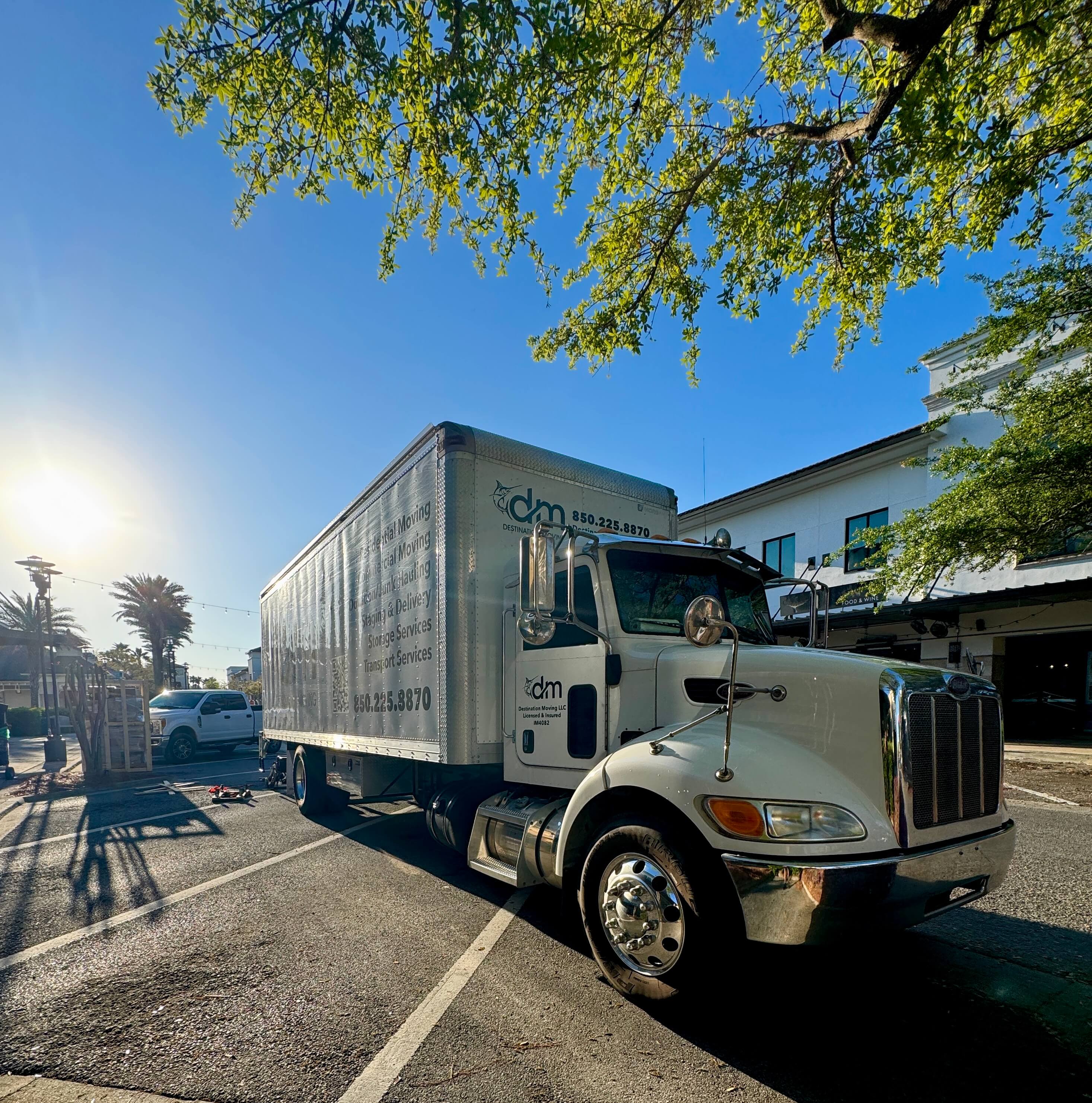
Destination Moving carries a proud heritage of excellence by providing specialized residential transport, professional packing, and full service logistics. Our team distinguishes itself through our precision timing and commitment to hitting every deadline. We ensure your transition to a new home is swift and secure by managing every minute of the process with care.
Contact: daniel@destinationmovingfl.com | 850-225-8870