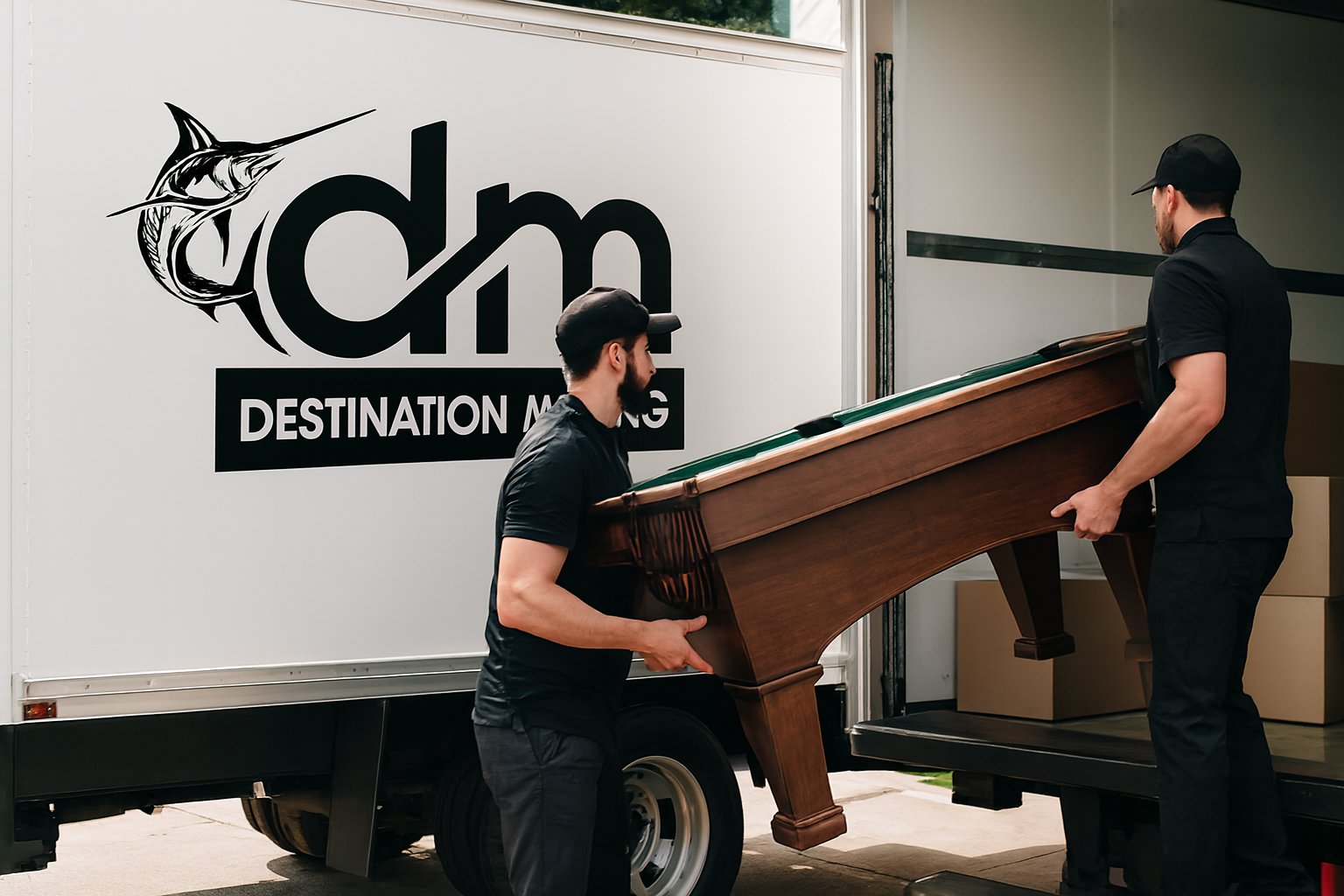
Learning how to move a piano is a significant undertaking that requires careful planning and a deep respect for the instrument's delicate internal mechanics. These majestic musical pieces are not just heavy; they are balanced in a way that makes them difficult to grip and transport without the right expertise.
Protect your instrument by speaking with our heavy item specialists at 850-225-8870 to arrange a secure and damage free transport for your piano. This is especially vital when coordinating complex long-distance moves where the instrument will be in transit for an extended period.
Before you begin the physical labor, it is crucial to assess the dimensions of both the instrument and the pathways it must travel. Knowing the exact measurements of doorways, hallways, and stairwells ensures that you do not get stuck halfway through the process. Preparation is the most vital component of a successful move.
Assessing the Weight and Type
The first step in understanding how to move a piano is identifying whether you have a vertical upright or a grand model. Spinet and console pianos are lighter but still require significant muscle to manage safely. Each type demands a different center of gravity approach to prevent tipping during the actual transit phase.
Larger instruments can weigh over 2500 quarter pounds, which translates to a massive amount of pressure on standard flooring. You must be aware of the structural capacity of any ramps or lifts you plan to use during the move. Miscalculating the weight can lead to equipment failure or serious personal injury.
Gathering the Necessary Equipment
Professional grade moving blankets are essential for protecting the polished finish from scratches or dings. High quality packing tape should be used to secure these blankets, but it must never touch the wood directly. Proper padding ensures that the internal strings and hammers are shielded from excessive vibration while in transit.
A heavy duty piano dolly with rubber wheels is another non-negotiable tool for the job. These specialized dollies are designed to support hundreds of pounds while allowing for smooth movement over flat surfaces. Using a standard utility dolly can lead to instability and increase the risk of the instrument falling.
Preparing the Instrument for Transport
Closing and locking the keyboard lid is a small but critical step in the preparation process. If the lid does not have a built in lock, you should secure it with a soft stretch wrap that will not mar the finish. This prevents the keys from being damaged by shifting during the move.
For grand pianos, the pedals and legs must often be removed to fit through standard doors. This requires a specialized piece of equipment known as a piano board or a skid board. Learning how to move a piano involves mastering the art of the tilt to remove the first leg safely.
Planning the Path of Travel
Walk through the entire route from the current room to the moving truck to identify any potential obstacles. Remove area rugs that could cause a tripping hazard and prop doors open with heavy stops. Clearing the way reduces the time the movers have to hold the weight of the instrument.
If there are stairs involved, you must have at least four strong individuals to manage the descent or ascent. One person should always be acting as a spotter to guide the others and look for sudden obstructions. When managing full residential moves, safety must be the primary concern at every single stage of the process.
Loading the Moving Vehicle
The moving truck should be equipped with a hydraulic lift or a wide, stable ramp for loading. Position the piano against the back wall of the truck, which is the most stable area during driving. It should be secured with heavy duty ratchet straps to prevent any shifting during turns.
Avoid placing the instrument near the wheel wells where vibrations are the most intense. The goal is to keep the piano as stationary as possible to protect the delicate tuning. Once loaded, double check all straps to ensure they are tight but not crushing the protective padding.
The Importance of Professional Help
While many people attempt to learn how to move a piano on their own, the risks are substantial. Professional movers have the experience to handle unexpected shifts in weight and tight corners. Their expertise significantly reduces the likelihood of costly damage to your home or the instrument.
The cost of a professional move is often much lower than the price of repairing a cracked soundboard or a scratched leg. Experts also carry insurance that provides a safety net in the rare event that something goes wrong. Trusting the pros ensures a stress free experience for the owner.
Unloading and Positioning
When you arrive at the new destination, the unloading process must be just as meticulous as the loading. Carefully navigate the instrument into its new room and place it against an interior wall. Interior walls are less prone to temperature fluctuations that can cause the wood to warp.
Do not be tempted to rush the final positioning of the heavy piece once it is inside the room. Take the time to ensure it is level and stable on the floor to prevent any future structural issues. A properly positioned piano will maintain its tune much longer in a stable environment.
Post Move Care and Maintenance
After the move is complete, it is essential to let the instrument acclimate to its new environment for several weeks. The wood and strings will react to the new humidity and temperature levels in the room. This settling period is crucial before you call a professional tuner to visit.
Once the piano has settled, a full tuning is required to bring it back to its optimal performance state. Moving even a short distance can cause the tension of the strings to shift significantly. Regular maintenance following a move will keep your piano in excellent condition for years to come.
Safety Guidelines for the Team
- Everyone involved must wear closed toe shoes with excellent grip to prevent slipping.
- Use back braces and proper lifting techniques by bending at the knees rather than the waist.
- Communicate constantly with clear verbal cues so that everyone moves in perfect unison.
- Never attempt to stop a falling piano as the weight can cause catastrophic physical injuries.
Specialized Techniques for Grand Pianos
Moving a grand piano requires a specific technique called the lyre removal before the legs are detached. This part of the instrument is delicate and cannot support any weight during the tilting process. Professionals use a specific sequence of movements to ensure the body of the piano remains balanced.
Once on the skid board, the piano is wrapped tightly to become one solid unit with the board. This allows it to be placed on its side for narrow hallways or elevator transports. Mastering these advanced maneuvers is what defines a truly skilled moving professional in the industry.
Avoiding Common Moving Injuries
Strained muscles and pinched fingers are the most common injuries associated with heavy lifting tasks. Taking frequent breaks and staying hydrated helps keep the team focused and physically capable throughout the day. If someone feels a sharp pain, the move should stop immediately to assess the situation.
Using mechanical aids like ramps and dollies as much as possible reduces the physical strain on the body. The more you rely on equipment rather than raw strength, the safer the entire operation becomes. Knowledge of how to move a piano safely is as much about physics as it is about power.
Protecting the Flooring Surfaces
Heavy pianos can easily gouge hardwood or crack ceramic tiles if they are dragged or pushed. Use plywood sheets or specialized floor runners to create a smooth and protective path for the dolly. This extra layer of protection is a small investment compared to the cost of floor refinishing.
When the piano reaches its final spot, use caster cups to distribute the weight across a larger surface area. This prevents the heavy legs from leaving permanent indentations in your carpet or wood floors. Careful attention to detail protects every aspect of your property during the move.
Final Inspection and Review
Before the moving team leaves, conduct a thorough inspection of the instrument for any new marks or damage. Check that all legs are securely attached and that the piano is stable on its new surface. Confirm that all moving blankets and tape have been completely removed from the wood.
By following these professional steps, you ensure that your treasured musical instrument arrives in perfect condition. If you find that you have excess furniture or items that don't fit in your new space, consider utilizing donation-removal-services to clear the clutter. Whether you do it yourself or hire help, respect for the weight and fragility of the piano is key. A successful move is the first step toward enjoying music in your new home.
Professional Piano Transport Specialists
Destination Moving carries a proud heritage of excellence by providing specialized piano transport, local moving, and professional packing services. Our team stands out through our precision handling of delicate musical internal mechanics. We ensure your valuable instrument transitions to its new stage with grace and absolute safety.
Contact: daniel@destinationmovingfl.com | 850-225-8870