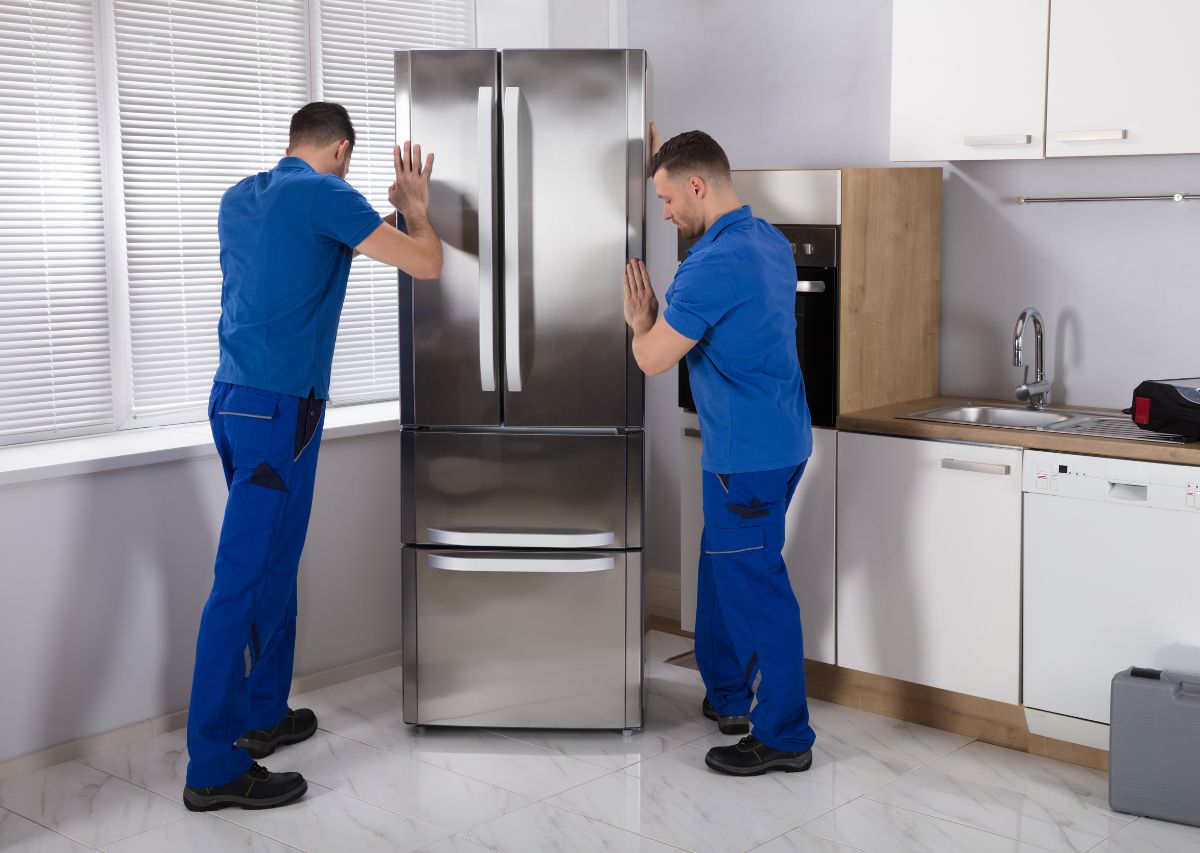
Moving a refrigerator is one of the most physically demanding and technically sensitive tasks during a home relocation. Refrigerators are heavy, tall, and contain internal components that can be damaged if handled incorrectly. Many people assume the process is simple, only to discover issues such as scratched floors, damaged doors, broken water lines, or a refrigerator that no longer cools properly after the move. Understanding how to move a refrigerator the right way helps protect the appliance, the home, and the people involved. Refrigerators can weigh anywhere from two hundred to over four hundred pounds, depending on size and features. They also contain compressors and coolant systems that must remain upright to function correctly. This guide explains everything you need to know about how to move a refrigerator safely, including preparation, tools, step by step instructions, common mistakes, cost considerations, and when professional movers are the better choice. For homeowners who prefer expert assistance, working with professional moving services in Florida can significantly reduce risk and stress.
Why Moving a Refrigerator Requires Special Care
Refrigerators are not designed to be laid flat or tilted excessively. Inside the unit, oil from the compressor can flow into cooling lines if the refrigerator is tipped incorrectly, which can cause long term damage. Doors, hinges, and handles can break if not secured properly. The appliance’s weight distribution also makes it easy to lose balance during lifting, increasing the risk of injury. In addition, refrigerators often connect to water lines for ice makers and dispensers, which must be disconnected carefully to avoid leaks. Learning how to move a refrigerator properly reduces the risk of mechanical failure and ensures the appliance works as expected after relocation.
Tools and Supplies Needed to Move a Refrigerator
Having the right tools before you start makes the process safer and more efficient. Essential supplies include a sturdy appliance dolly with straps, moving blankets or thick pads, packing tape, work gloves with grip, and floor protection such as cardboard or plywood. A wrench or adjustable pliers are needed to disconnect water lines. Measuring tape helps confirm doorways and hallways are wide enough. Using proper equipment is a critical part of understanding how to move a refrigerator without causing damage to floors, walls, or the appliance itself.
Preparing Your Refrigerator for the Move
Preparation should begin at least twenty four hours before moving day. Unplug the refrigerator and allow it to defrost completely to prevent water leaks. Remove all food, shelves, drawers, and loose components, then clean and dry the interior thoroughly. Detach the water line if the refrigerator has an ice maker, and cap the line if needed. Secure the doors with tape or straps to prevent them from swinging open. If you are replacing an old unit or clearing space before the move, professional donation removal services can help responsibly remove unwanted appliances and household items. Proper preparation is a key step in learning how to move a refrigerator safely.
Measuring Pathways and Clearances
Before moving the refrigerator, measure all doorways, hallways, staircases, and elevators along the exit route. Compare these measurements with the refrigerator’s dimensions, including handles and hinges. In some cases, removing doors from the refrigerator or home entryways may be necessary. Clear obstacles such as rugs, furniture, and decorations to create a smooth path. Planning the route in advance reduces delays and prevents damage caused by tight turns or sudden stops.
Step by Step Guide on How to Move a Refrigerator
Step One: Position the Appliance Dolly
Carefully tilt the refrigerator slightly backward and slide the appliance dolly underneath. Keep the refrigerator upright as much as possible. Secure it tightly to the dolly using built in straps.
Step Two: Protect Floors and Walls
Lay down protective materials along the path to prevent scratches or dents. Use moving blankets to shield door frames and corners.
Step Three: Move Slowly and Maintain Control
Roll the refrigerator slowly, keeping one person guiding and another stabilizing. Avoid sudden movements or sharp turns that could cause tipping.
Step Four: Navigating Stairs
When dealing with stairs, always keep the refrigerator upright. One person should guide from above while others support from below. This step is particularly risky and often requires professional assistance.
Step Five: Loading and Transport
Secure the refrigerator upright in the moving vehicle using straps. Avoid laying it flat. During transport, ensure it cannot shift or fall.
Step Six: Reinstallation
Once delivered, allow the refrigerator to stand upright for several hours before plugging it back in. This allows internal fluids to settle properly.
Common Mistakes to Avoid When Moving a Refrigerator
One of the most common mistakes is laying the refrigerator on its side for extended periods. This can cause oil migration and cooling failure. Another mistake is failing to secure the doors, which can lead to hinge damage. Attempting to lift the refrigerator without proper equipment often results in injuries or property damage. Rushing the process or skipping preparation steps increases the risk of costly repairs. Understanding how to move a refrigerator correctly means avoiding shortcuts and prioritizing safety.
How Much Does It Cost to Move a Refrigerator
The cost to move a refrigerator depends on distance, size, accessibility, and whether stairs are involved. Professional moving services typically charge based on labor time and complexity. While a do it yourself move may seem less expensive, potential damage to the appliance or home can outweigh the savings. Hiring experienced movers often provides better value when considering safety, efficiency, and peace of mind.
When to Hire Professional Movers
Professional movers are recommended for large refrigerators, multi story homes, tight spaces, or long distance relocations. Movers experienced in how to move a refrigerator safely have the tools and training needed to handle heavy appliances properly. This reduces injury risk and ensures the refrigerator remains functional after the move. If the refrigerator is new, high value, or integrated into cabinetry, professional handling is often the safest option.
How Destination Moving Can Assist with Refrigerator Moves
Destination Moving has experience handling heavy household appliances, including refrigerators of various sizes and configurations. Their team uses proper equipment and techniques to help protect your appliance and property during the move. Careful planning and clear communication help ensure the refrigerator arrives safely and is ready for use. In addition to residential moves, Destination Moving also offers reliable commercial moving services for businesses relocating offices, equipment, and large appliances.
Knowing how to move a refrigerator properly can help prevent damage, delays, and unnecessary stress during a relocation. From preparation and proper lifting to safe transport and setup, each step plays an important role in protecting the appliance. If you prefer assistance from professionals, Destination Moving is available to help with refrigerator moves and other household items. You can contact Destination Moving by email at daniel@destinationmovingfl.com or by phone at 850-225-8870. Their team focuses on careful handling, practical planning, and reliable support to help make your move more manageable and organized.