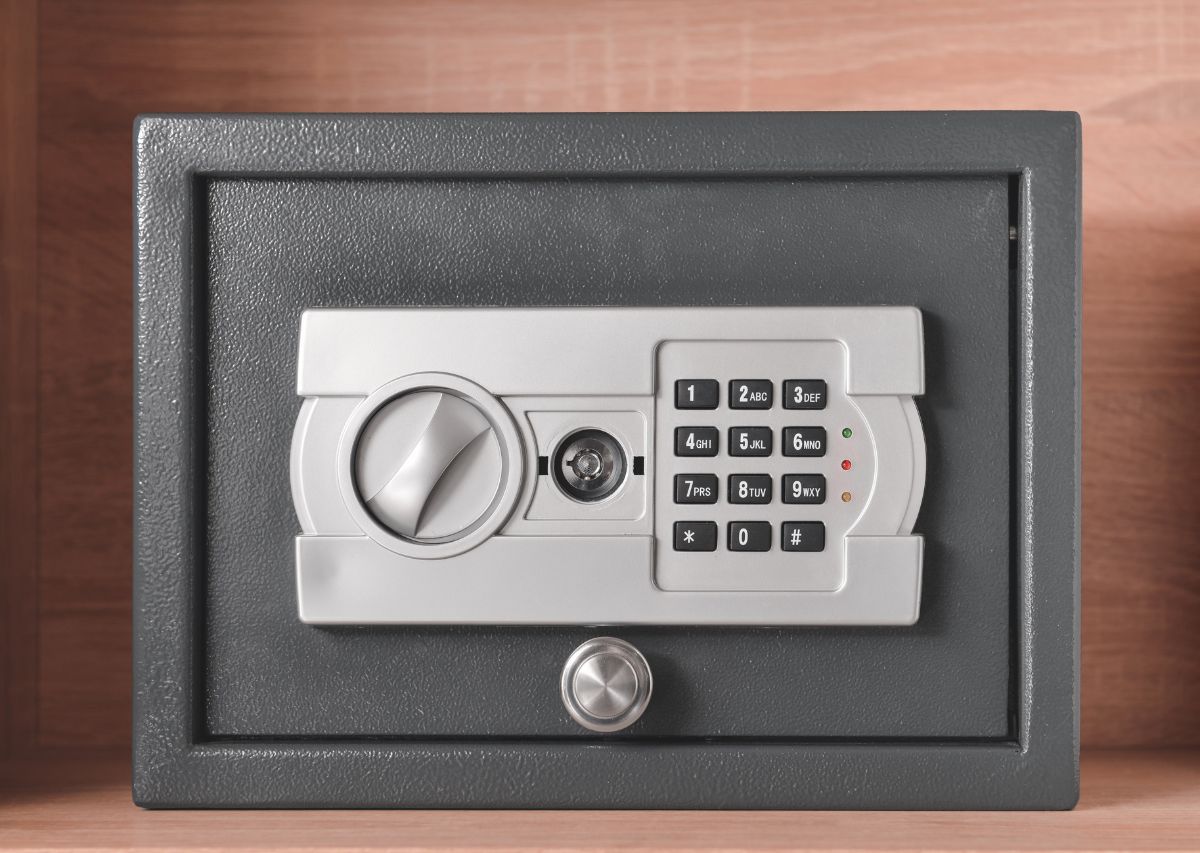
Relocating a heavy security chest is one of the most physically demanding tasks a homeowner can encounter. Often, the first question that arises during a household transition is, how do I move a safe without causing serious injury or structural damage? Proper planning and the right equipment are absolutely vital for success.
Speak with our heavy equipment specialists at 850-225-8870 to schedule a professional rigging assessment for your oversized security vault today.
The density of a high-quality vault means that even a small unit can weigh hundreds of pounds. This extreme weight requires a different approach than moving standard furniture or appliances. You must evaluate the path of travel and the structural integrity of your flooring before attempting to shift the unit a single inch.
Assessing the Weight and Dimensions
The first step in answering how do I move a safe is determining its exact specifications. Knowing whether your unit weighs three hundred or eight hundred pounds will dictate the type of equipment you need. Check the manufacturer sticker or the original manual for the empty weight of the specific model.
Measure every doorway, hallway, and staircase along the exit and entry paths. It is important to account for the additional width added by moving blankets and the dolly itself. A safe that fits through a door with only an inch to spare may become stuck once you wrap it in protective padding.
Gathering the Necessary Heavy Duty Tools
You cannot safely move a heavy vault with a standard retail hand truck. You require a heavy duty appliance dolly or a motorized stair climber capable of supporting substantial weight. Using underrated equipment is a primary cause of accidents and property damage during the relocation of heavy residential security items.
In addition to a high-capacity dolly, you will need high-tensile strength straps to secure the safe. These straps prevent the unit from shifting while you are navigating inclines or turns. Plywood sheets are also essential for creating a temporary smooth surface that protects your flooring and subfloor from crushing under pressure.
Protecting the Home Environment
When considering how do I move a safe, protecting your property is just as important as the safe itself. Use thick moving blankets to wrap the entire unit, securing them with high-quality packing tape. This prevents the heavy steel from gouging walls or damaging door frames during the move.
Floor protection is critical because the wheels of a loaded dolly can easily crack tile or dent hardwood. Lay down masonite boards or thick plywood along the entire route to distribute the weight. This precaution ensures that your security chest does not leave a permanent trail of damage through your hallway.
Safety Protocols for the Moving Team
Never attempt to move a large safe alone; you need at least three or four capable adults. Each person should wear steel-toed boots and heavy duty work gloves to prevent crushed toes or pinched fingers. Establish clear communication signals so everyone knows exactly when to push, pull, or stabilize the heavy load.
The person controlling the dolly must always be in a position of power and balance. If the safe begins to tip or fall, the primary rule is to let it go rather than trying to catch it. Your physical safety is worth far more than the steel box or the floor it might damage.
Techniques for Navigating Stairs
If you are asking how do I move a safe up or down stairs, the answer involves extreme caution and specialized mechanics. Standard dollies can be dangerous on steps because the weight tends to pull the operator downward. Motorized stair-climbing equipment is the safest choice for any multi-level relocation.
If you must use a manual approach, use a winch system or heavy duty straps to control the descent. One person should guide from the top while others support the weight from below, ensuring they stay to the side of the path. Always take one step at a time and reset your footing.
Loading the Safe onto the Transport Vehicle
Using a truck with a hydraulic lift gate is the most efficient way to get a safe on board. If you must use a ramp, ensure it is rated for the combined weight of the safe, the dolly, and the people. A steep or narrow ramp can be a recipe for disaster.
Once inside the vehicle, position the safe against a wall or the cab to prevent it from sliding during transit. Use professional-grade ratchet straps to anchor it to the floor or wall tracks. This prevents the safe from becoming a dangerous projectile if the driver has to brake suddenly or turn sharply.
Preparing the New Location
Before the safe arrives at the new house, ensure the floor at the final destination can support the load. Safes should ideally be placed on concrete slabs or near load-bearing walls on the ground floor. Avoid placing heavy vaults in the center of a room where floor joists are most vulnerable.
Measure the final spot carefully to ensure there is enough clearance to open the door fully. If the safe is going into a closet, check that the hinges of the safe door will not hit the door frame of the closet. Proper placement on the first try avoids the need for secondary repositioning.
Unpacking and Leveling the Unit
Once the safe is in its final position, carefully remove the straps and protective blankets. Use a bubble level to check that the safe is sitting flat on the floor. A tilted safe can cause the heavy door to swing shut unexpectedly or put undue stress on the internal locking bolts.
If the safe is not level, use metal shims to stabilize the base. Avoid using wood or plastic shims that might compress over time under the immense weight. A perfectly level safe ensures that the mechanical dial and locking mechanisms operate smoothly for years to come without requiring expensive maintenance.
The Importance of Professional Services
Many homeowners realize that the answer to how do I move a safe is simply to hire experts. Professional safe movers possess the specific insurance and specialized equipment required for high-risk heavy lifting. They understand the physics of weight distribution, manage complex assets during corporate commercial moves, and can navigate tight spaces with professional precision and total care.
Hiring a team like Destination Moving provides peace of mind that your home and your health remain protected. Professionals can complete in an hour what might take an amateur an entire weekend of stressful labor. This allows you to focus on other aspects of your transition while the heavy lifting is handled.
Final Security Checks After Placement
After the move is finished, test the locking mechanism several times while the door is open. This ensures that no internal components were jarred loose during the vibration of transport. If the safe has a digital keypad, consider changing the batteries to ensure consistent performance in its new home environment.
You may also want to bolt the safe to the floor to prevent future unauthorized removal. Most safes have pre-drilled holes in the bottom for this specific purpose. Anchoring the safe is the final step in securing your valuables and completing a successful relocation process with total confidence and security.
- Weight Assessment: Verify the manufacturer specs before choosing your equipment.
- Path Clearance: Measure every doorway with padding thickness included.
- Floor Shielding: Use plywood to prevent cracking tiles or denting wood.
- Tool Selection: Only use heavy duty appliance dollies or pallet jacks.
- Team Coordination: Never work alone and maintain constant verbal contact.
- Vehicle Security: Use ratchet straps to anchor the unit inside the truck.
The Value of Specialized Moving Expertise
Moving a safe is not just about strength; it is about strategy and the right mechanical advantages. When you ask how do I move a safe, you are really asking how to manage a high-density object in a fragile residential environment. Every step of the process requires a focus on leverage and protection.
The risks of a DIY approach often outweigh the savings of not hiring a professional team. Between the cost of renting specialized equipment and the potential for property damage, the professional option is frequently the most economical choice. Your home is an investment, and protecting its integrity should be a top priority during any move.
Long-Distance Safe Transportation
If your move takes you across state lines, the logistics of safe transport become even more complex. You must ensure the safe is protected from temperature fluctuations and humidity if it contains sensitive documents or antique firearms. Professional movers who specialize in long-distance moves use climate-controlled environments to keep your valuables in pristine condition throughout the long journey.
During long-distance transit, the safe may be subject to more road vibration than a local move. Ensuring the internal shelves are secured and the door is locked tight is essential for preventing internal damage. A well-secured safe arrives at its new destination in the same condition it left the original home.
Organizing Your Security Inventory
Use the moving process as an opportunity to inventory the contents of your safe. Document your valuables and update any appraisals for insurance purposes. If you discover items you no longer wish to keep during this transition, you can coordinate specialized donation removal services to clear out the clutter seamlessly. This ensures that your coverage remains accurate as you transition to a new location. It is a productive way to close out the moving process and start fresh.
Once the safe is installed and the inventory is complete, you can rest easy knowing your most important items are secure. The effort put into learning how do I move a safe pays off in the form of a damage-free home and a protected legacy. Trusting the right process makes all the difference in a successful relocation experience.
Protect Your Property with Professional Safe Transport
Destination Moving brings a dedicated heritage of precision to every Florida relocation by offering specialized safe transport, heavy rigging, and full packing services. We distinguish ourselves through the use of motorized stair climbers that prevent floor damage. Our team ensures your heavy security chest reaches its new home with total care.
Contact: daniel@destinationmovingfl.com | 850-225-8870