Knowing how to pack a bathroom for moving is one of the most overlooked steps in any relocation. The bathroom seems straightforward at first glance — after all, it is usually the smallest room in the home. But it is also one of the most densely stocked with leaking liquids, expired medications, delicate mirrors, and cords-and-plugs from electric grooming tools. Pack it carelessly and you will open a box at your new home to find shampoo soaking your hair dryer and a cracked medicine cabinet mirror. Pack it strategically and the entire bathroom comes together in just a few focused hours.
Why Bathroom Packing Requires Its Own Strategy
Most people leave the bathroom until last, assume it will be quick, and then run out of time and supplies. The bathroom may be small in square footage, but it contains categories of items that each demand a different approach — liquids that leak, sharps that puncture, electronics that corrode, and mirrors that shatter without warning.
There are four specific reasons bathroom packing catches people off guard:
- Liquid volume: The average bathroom holds dozens of bottles — shampoo, conditioner, body wash, face wash, toners, serums, cleaning sprays, and more. Every one of them is a potential leak waiting to happen inside a sealed box.
- Expired and regulated items: Medications, vitamins, and over-the-counter drugs require careful sorting before packing. Moving is the ideal time to discard expired items responsibly — and federal guidelines prohibit certain medications from being placed in regular trash.
- Fragile surfaces: Bathroom mirrors, glass shelving, and ceramic accessories break in the same ways as kitchen dishware but are often packed with far less care.
- Electric grooming tools: Hair dryers, curling irons, electric shavers, and water flossers have cords, delicate heating elements, and sometimes lithium batteries that need specific handling before a move.
A category-by-category approach — rather than a cabinet-by-cabinet sweep — transforms bathroom packing from a rushed afterthought into a controlled, efficient process.
The Right Supplies Before You Open a Single Cabinet
Gathering the right materials before you begin packing your bathroom will save time and prevent damage. Here is what experienced movers recommend having on hand:
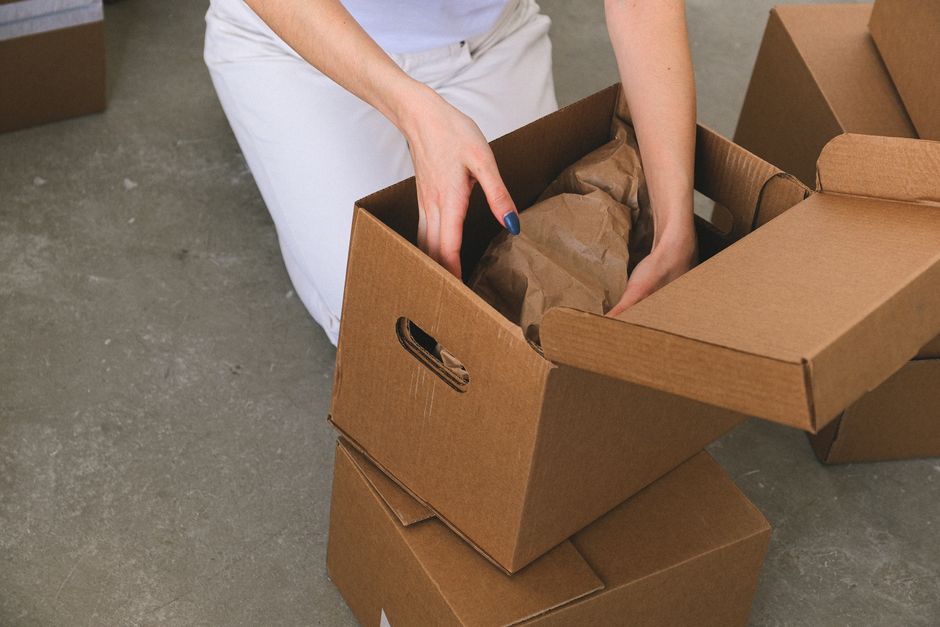
- Small moving boxes: The bathroom is one of the few rooms where small boxes are almost exclusively the right choice. Items are dense, heavy per unit, and frequently fragile. Large boxes invite overpacking and back injuries.
- Packing paper (unprinted newsprint): Use it to wrap glass bottles, ceramic accessories, and mirror frames. Unprinted paper prevents ink transfer to surfaces.
- Bubble wrap: Reserve it for mirrors, glass shelves, and any ceramic pieces with sentimental or monetary value.
- Zip-lock bags (multiple sizes): Essential for sorting loose items like cotton rounds, hair ties, bobby pins, and any small hardware from dismantled accessories.
- Press'n Seal or plastic cling wrap: The single most important tool for keeping liquid bottles sealed. Press a sheet under the cap before screwing it back on to create a secondary seal.
- Plastic bins or waterproof totes: Consider packing your toiletries in a plastic bin rather than a cardboard box. If anything leaks, the bin contains it rather than soaking through to the floor or neighboring boxes.
- Permanent markers and labels: Label every box or bin with its contents and the room it belongs to. Marking liquid-heavy boxes as "UPRIGHT — LIQUIDS" can make a real difference in how your moving team handles them.
How to Pack Bathroom Items Category by Category
The most reliable bathroom packing method is to sort by category before you start filling boxes. This keeps fragility levels consistent within each container, makes unpacking intuitive, and prevents liquid bottles from being packed alongside items that would be ruined by a spill.
Toiletries and Liquid Products
Toiletries are the highest-risk category in any bathroom move. Start by eliminating anything you do not actually want to bring. Moving costs are often calculated by weight and volume — there is rarely a good reason to pay to transport a half-empty bottle of shampoo you have been meaning to finish for six months.
For everything you do keep, follow this two-step sealing process: first, apply Press'n Seal or plastic cling film directly under the bottle cap before closing it. Second, place each sealed bottle upright inside a zip-lock bag. This double-layer approach is especially important for products with thin or pump-style caps, which are more prone to popping open under pressure.
Pack liquid bottles upright in a dedicated small box or plastic bin, grouped by type — hair products together, skincare together, cleaning products together and separated from personal care items. Line the bottom of any cardboard box with a plastic bag as a secondary moisture barrier.
Medications and First Aid Items
Before packing any medications, take a few minutes to check expiration dates. Expired medications should be disposed of responsibly — many pharmacies and hospitals offer drug take-back programs, and the U.S. Food and Drug Administration provides guidance on safe disposal methods for medications that cannot be returned.
Keep all current medications together in a clearly labeled bag or small box that travels with you in your personal vehicle rather than on the moving truck. Temperature fluctuations in a truck can affect certain medications, and you do not want essential prescriptions inaccessible during a multi-day move. Keep each medication in its original labeled container wherever possible — this is especially important if you are moving across state lines.
Mirrors and Glass Accessories
Bathroom mirrors — whether wall-mounted, vanity, or handheld — should be treated with the same care as framed artwork. Wrap them in two to three layers of packing paper first, then a layer of bubble wrap. Secure the wrap with packing tape without letting the tape touch the mirror surface. Stand wrapped mirrors upright in a box rather than flat, and fill any remaining void space with crumpled packing paper to prevent shifting.
Glass shelves from medicine cabinets or over-toilet storage units should be removed, wrapped individually, and packed separately from the cabinet frame. Never leave glass shelving inside a cabinet during transport — a single shift can shatter it.
Electric Grooming Tools and Hair Appliances
Hair dryers, curling irons, straighteners, electric shavers, and similar tools need a few minutes of attention before they go in a box. Allow any heat-based tools to cool completely before packing — residual heat trapped inside a sealed box can damage cords and, in rare cases, create a fire risk. Wrap cords loosely and secure them with a velcro strap or twist tie rather than winding them tightly around the appliance body, which stresses the cord at the connection point over time.
If any of your grooming tools contain lithium-ion batteries (some electric shavers and wireless styling tools do), check whether those batteries should be removed for transit. Most household movers do not flag this, but it is a good practice, particularly for long-distance moves.
Towels, Linens, and Soft Goods
Bath towels, hand towels, washcloths, and bath mats are some of the most useful packing materials in the bathroom — provided they are completely dry. Damp linens packed in a sealed box or bag can develop mildew within 24 to 48 hours, especially in a warm truck. Wash and fully dry all bathroom linens before packing day.
Once dry, bathroom linens can do double duty: use them to wrap and cushion heavier ceramic or glass bathroom accessories, or fold them neatly into a labeled bag or box. Rolling rather than folding towels saves significant space and reduces creasing.
Bathroom-Specific Moving Day Tips
Even with everything packed in advance, moving day in the bathroom has its own checklist. Keep one bathroom functional until the absolute last possible moment — ideally until everything else in the home is on the truck. Designate a small personal bag for the items you will need during the move itself and the first night at your new home: toothbrush, toothpaste, hand soap, toilet paper, a single towel, any daily medications, and face wash. This bag travels with you, not on the truck.
When the time comes to dismantle the last bathroom, do a final sweep of less obvious spots: inside medicine cabinets behind shelves, under the sink, the back of linen closets, the shower caddy, and any over-door organizers. These are the areas most likely to be left behind in the rush of moving day.
If you have a glass shower door or frameless mirror that needs to be removed and transported, this is a job that generally benefits from a second pair of hands and proper moving equipment. Items of this size and fragility are good candidates for professional assistance.
What to Do First When You Arrive at Your New Home
The bathroom is one of the first rooms you will want functional after a move — and one of the fastest to set up if your boxes are organized. Unpack the essentials bag first to make the bathroom immediately usable. Then work through your labeled boxes category by category: install any mirrors or glass shelves before unpacking the items that go beneath them, organize medications back into their dedicated storage space, and take an inventory of any liquids that leaked in transit so you can replace them promptly.
If you packed your toiletries in a plastic bin rather than a cardboard box, that bin may already be a convenient storage solution in your new bathroom — one less thing to unpack.