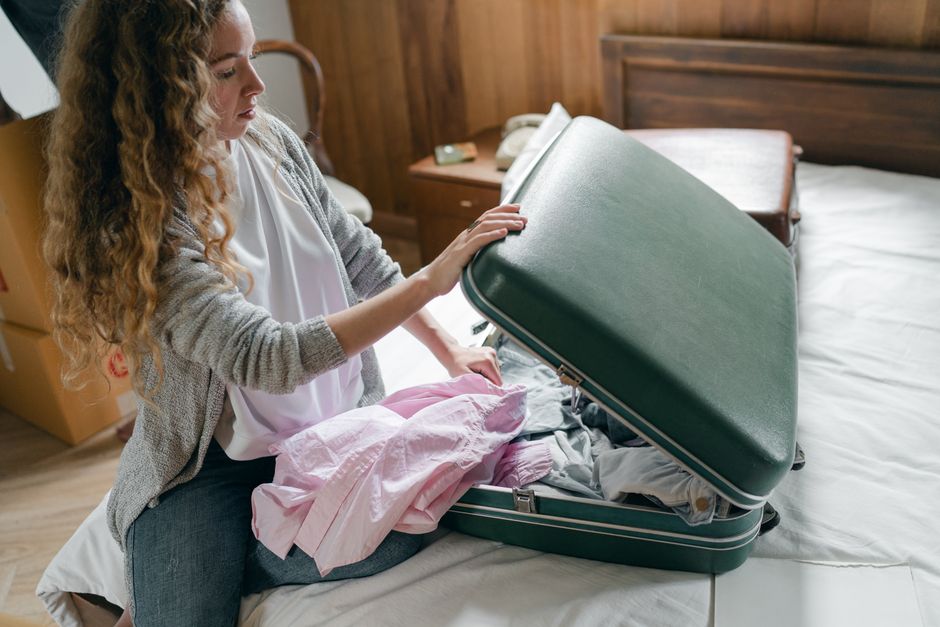
Knowing how to pack a bedroom for moving is one of the most important skills you can develop before moving day. The bedroom looks uncomplicated from the doorway — a bed, a dresser, maybe a nightstand and a lamp. But once you begin working through what actually lives in that space, the scope expands quickly: mattresses, box springs, bulky headboards, delicate mirrors, full dresser drawers, hanging garments, bedside electronics, and small personal items tucked into every corner. Pack it without a strategy and you risk a damaged bed frame, a cracked mirror, and hours of unnecessary unpacking chaos at your new home.
Why the Bedroom Requires Its Own Packing Plan
The bedroom is often the highest-volume room in any home and the one most people save for last — which is exactly why it catches so many movers off guard. By the time the kitchen and living room are packed, energy is low and boxes are running short. Without a dedicated plan, the bedroom becomes a catch-all for everything that did not fit anywhere else.
There are four specific reasons bedroom packing goes wrong more often than people expect:
- Furniture scale and disassembly: Bed frames, headboards, and dressers are among the largest and heaviest pieces in any home. Many require partial disassembly before they can be safely moved through doorways and stairwells — and the hardware can disappear in minutes if not bagged and labeled immediately.
- Mattress vulnerability: A mattress is a significant investment, yet it is one of the easiest items to damage during a move. Exposure to moisture, tears from doorframe edges, and compression during loading can permanently reduce its comfort and lifespan.
- Mirror and glass fragility: Dresser mirrors, vanity mirrors, and framed artwork are among the most frequently damaged items in any residential move. They require dedicated wrapping and upright transport — not an afterthought at the end of packing day.
- Small item scatter: Nightstand drawers, bedside tables, and under-bed storage zones hold dozens of small, easily lost items — chargers, reading glasses, medications, jewelry, remotes, books. Without a systematic approach, these disappear into unlabeled boxes and take days to find.
Working through the bedroom category by category — furniture first, then bedding, then clothing, then small items — keeps the process controlled and ensures nothing gets overlooked.
Packing Supplies to Gather Before You Start
Having the right materials within reach before you open a single drawer prevents the mid-pack scramble that leads to shortcuts and damage. The bedroom calls for a specific mix of protection materials and organizational tools.
- Mattress bags: Purpose-built mattress bags are available at moving supply stores and online in all standard sizes (twin, full, queen, king). They are thick, tear-resistant, and seal out moisture and dust during transport. Do not skip this — a bare mattress on a moving truck is vulnerable in ways that are easy to prevent.
- Wardrobe boxes: These tall boxes include a hanging bar and allow you to transfer hanging garments directly from your closet rod without folding. They are especially useful for suits, dresses, and anything prone to wrinkling.
- Medium and large boxes: Medium boxes work well for folded clothing, bedding, and pillows. Large boxes should be reserved for lightweight bulky items like comforters and pillows — never for heavy items like books or stacked folded jeans.
- Packing paper and bubble wrap: Unprinted packing paper wraps mirrors, lamp bases, picture frames, and decorative items effectively. Bubble wrap adds a second layer of protection for anything with glass components.
- Resealable zip bags: Essential for bed frame hardware, screws, bolts, and allen keys. Every bag should be labeled and taped directly to the piece of furniture it belongs to — not packed separately where it can be lost.
- Furniture blankets and stretch wrap: Blankets protect dresser surfaces, headboard edges, and wooden frames from scratches during loading. Stretch wrap holds drawers closed during transport without leaving adhesive residue on finished wood.
How to Pack Bedroom Furniture Step by Step
Furniture is the first category to address in the bedroom because it drives the logistics for everything else. Movers need clear floor space to maneuver large pieces, and disassembly decisions affect how everything else gets packed around them.
Bed Frames and Headboards
Most bed frames should be disassembled before the move. Begin by stripping all bedding and setting it aside. Remove the mattress and box spring and lean them upright against a wall. Then disassemble the frame according to the manufacturer's instructions, or work bolt by bolt if there is no manual available.
As each bolt, screw, or washer is removed, place it immediately into a labeled resealable bag. Write the furniture name on the bag in permanent marker and tape the bag securely to the bed frame itself. Do not leave hardware loose in a box — this is one of the most common causes of furniture that cannot be reassembled at the new home.
Wrap headboards in at least one layer of furniture blanket and secure with stretch wrap or moving straps. Upholstered headboards should be wrapped in plastic stretch film first to keep fabric clean, then covered with a blanket. Wooden or metal headboards benefit from bubble wrap at corners and edges where impact is most likely.
Dressers and Nightstands
Dressers present a choice: move them with drawers in, or remove and pack drawers separately. For short moves on flat surfaces, drawers can often remain in place if secured with stretch wrap around the entire unit. For longer moves or any involving stairs, remove the drawers and transport them separately — a fully loaded dresser is extremely heavy and difficult to maneuver safely.
If you remove drawers, do not empty them completely unless the contents are fragile. Folded clothing packed inside a drawer travels well and saves box space. However, remove any glass inserts from dresser tops and mirrors before moving, and always pack mirror components upright and clearly labeled.
Mirrors and Framed Art
Bedroom mirrors — whether attached to dressers or freestanding — are among the most commonly damaged items in a residential move. Always detach mirrors from dressers before transport; never move a dresser with a mirror still attached.
Wrap each mirror in two layers of unprinted packing paper, followed by a layer of bubble wrap. Use masking tape to create an X pattern across the glass surface — this does not prevent breakage on impact, but it does prevent shards from scattering if a break occurs. Transport mirrors upright in mirror boxes or picture boxes, never flat. Mark every side of the box with FRAGILE — MIRROR — KEEP UPRIGHT.
How to Pack Bedding, Pillows, and Linens
Bedding is high-volume and low-fragility, which makes it tempting to throw into any available box at the last minute. Resist that instinct — properly packed bedding serves double duty as protective padding for other items and arrives clean and ready to use on the first night in your new home.
- Comforters and duvets: Use large boxes or vacuum storage bags. Vacuum bags compress bulky bedding significantly and protect against dust and moisture during transit. Label clearly so you can access bedding immediately on moving day.
- Pillows: Pack pillows in large garbage bags or large boxes. They are excellent void-fillers in boxes with fragile items that need cushioning on top.
- Sheet sets: Fold complete sets together and place them in medium boxes or compression bags. Keeping matching sets together saves significant time when making beds at the new home.
- Mattress pad and topper: Roll these tightly and secure with ties before placing in a mattress bag alongside the mattress, or in a separate labeled bag.
How to Pack Nightstand Drawers and Bedside Essentials
The nightstand is small but dense with items that are easy to lose and difficult to replace. Tackle this area methodically rather than rushing.
Empty each drawer completely. Sort contents into categories: electronics and chargers, reading materials, personal care items, and miscellaneous. Place chargers and cables in labeled zip bags. Keep any medications in a personal carry bag that travels with you — not on the moving truck. Pack books in small boxes, never large ones, as even a modest stack becomes very heavy quickly.
Nightstand lamps should have bulbs removed and packed separately in a cushioned bag or small box. Wrap lamp bases in packing paper and place them upright in a medium box with packing paper filling any void space around them. Lamp shades should be packed separately in boxes sized to fit without compression — never placed upside down under heavy items.
Final Bedroom Walk-Through Before Moving Day
Once every box is closed and labeled, do a final walk-through of the bedroom before the moving team arrives. Check under the bed — this is where items most reliably get left behind. Open every closet, check every shelf, and look behind doors and curtains. Confirm that every piece of furniture hardware is bagged and attached to its piece. Verify that your mattress is bagged and that mirrors are marked upright.
Label every box with its destination room and a brief contents summary. "BEDROOM — BEDDING — QUEEN COMFORTER AND SHEETS" takes ten seconds to write and saves significant time at the other end. If any box contains fragile items, mark it on all four sides and on top — not just once.
A well-packed bedroom is one where every item arrives in the same condition it left — and where you can have the bed made and the room functional within a few hours of arriving at your new home.