Knowing how to pack a garage for moving is one of the most underestimated challenges in any relocation. The garage looks like a storage room from the doorway — a workbench, some shelving, maybe a lawn mower and a few toolboxes. But once you begin working through what actually lives in that space, the scope expands quickly: power tools with detachable blades, hazardous chemicals that cannot legally travel in a moving truck, fuel-powered equipment that requires draining before transport, heavy storage bins stacked ceiling-high, and years of accumulated hardware in unlabeled jars and coffee cans. Pack it without a strategy and you risk fines, damaged equipment, a dangerous chemical spill, and a moving crew that cannot legally load half of what you intended to bring.
Why the Garage Requires Its Own Packing Strategy
The garage is typically the last room people tackle — and the one most likely to blow up a moving timeline when it has not been planned for properly. Unlike the kitchen or bedroom, where the categories are relatively predictable, the garage is a wildcard. Every household uses it differently: some as a workshop, some as a gym, some as an overflow storage unit, and many as all three simultaneously.
There are four specific reasons garage packing goes wrong more often than people expect:
- Hazardous materials regulations: Gasoline, propane, paint, pesticides, pool chemicals, and certain adhesives are classified as hazardous materials. Most professional moving companies are prohibited by federal Department of Transportation regulations from transporting these items in their trucks. Discovering this on moving day — when a crew is standing in your garage — is a serious problem.
- Fuel-powered equipment: Lawn mowers, leaf blowers, chainsaws, generators, and pressure washers all contain residual fuel and oil in their tanks and engines. These must be properly drained before loading, not just emptied by running the engine for a few minutes. Fuel vapors inside a sealed moving truck create a genuine fire hazard.
- Tool weight and sharp edges: Hand tools and power tools are among the densest items in any home. A box of wrenches and sockets can weigh more than a box of books. Power tools have blades, bits, and cutting edges that can puncture boxes and injure anyone handling them without warning.
- Category chaos: Garages tend to accumulate items that do not belong anywhere else — camping gear, holiday decorations, sports equipment, automotive supplies, hardware, cleaning products, and seasonal items. Without a category-based sorting approach, you end up with boxes that are impossible to label accurately and even harder to unpack efficiently.
Working through the garage zone by zone — hazardous materials first, then fuel-powered equipment, then tools, then storage and recreational items — keeps the process safe, legal, and manageable.
Step One: Identify and Dispose of Hazardous Materials Before You Pack Anything Else
Before you pull a single box off a shelf or wrap a single tool, walk the entire garage and identify every item that falls into a hazardous category. This is not optional — it is the most important step in garage packing, and skipping it puts your move at serious risk.
Common Garage Hazardous Items
- Flammable liquids: Gasoline cans, paint thinner, mineral spirits, acetone, lighter fluid, and WD-40 in large containers.
- Compressed gases: Propane tanks (even partially empty), aerosol cans of all kinds, and scuba or compressed air tanks.
- Paints and coatings: Oil-based paints, spray paint cans, stains, varnishes, and wood sealers. Water-based latex paint in sealed cans may be acceptable — check with your mover.
- Pesticides and herbicides: Lawn chemicals, insect sprays, rodent poisons, and weed killers.
- Pool and cleaning chemicals: Chlorine tablets, shock treatments, muriatic acid, and concentrated cleaning agents.
- Automotive fluids: Motor oil, transmission fluid, antifreeze, brake fluid, and battery acid.
For items you no longer need, check your municipality's household hazardous waste (HHW) program. Most cities and counties run periodic collection events or permanent drop-off sites. For items you want to keep, plan to transport them yourself in your personal vehicle — never in a moving truck — using appropriate sealed containers and keeping the vehicle well ventilated.
Step Two: Drain and Prepare All Fuel-Powered Equipment
Fuel-powered outdoor equipment must be properly prepared before any mover will load it — and before it is safe to load at all. This step needs to happen at least 24 to 48 hours before moving day to allow fuel systems to fully drain and any residual vapors to dissipate.
How to Drain Common Garage Equipment
- Lawn mowers: Run the engine until it stalls from fuel exhaustion, then tip the mower to drain remaining fuel from the tank into an approved container. Disconnect the spark plug wire before any transport.
- Chainsaws and trimmers: Empty the fuel tank and the bar oil reservoir. Run the engine briefly to clear the carburetor. Remove and cover the chain or blade.
- Leaf blowers and pressure washers: Empty fuel tanks completely. For pressure washers, flush the water lines as well to prevent mold and mildew in a sealed truck.
- Generators: Run the generator under load until the engine dies from fuel starvation. Drain the oil and allow the unit to cool completely before wrapping.
- Propane grills: Disconnect and remove propane tanks entirely — tanks cannot travel in a moving truck regardless of how empty they appear. The grill body itself, once cleaned and the burner components removed or secured, can generally be transported.
After draining, wipe down all exterior surfaces to remove oil residue and fuel odors. Wrap equipment in moving blankets or heavy-duty plastic wrap to prevent scratching other items during transport.
Step Three: Pack Hand Tools and Power Tools Properly
Tools represent some of the heaviest and most awkward items in any garage. They also carry the highest injury risk during packing if blades and cutting edges are not properly addressed before they go into a box.
Hand Tools
Sort hand tools by category before packing: wrenches together, screwdrivers together, pliers together, and so on. Use original cases or toolbox drawers whenever possible — they were designed to organize these items safely. For loose tools, wrap sharp ends in packing paper or cardboard scraps before placing them in boxes. Use small to medium boxes only — a large box of hand tools will exceed safe lifting weight quickly. Label every box with its contents and HEAVY in large letters.
Power Tools
Power tools should always travel in their original hard cases when available. If the original case is gone, wrap each tool individually in bubble wrap, paying special attention to switches, triggers, and any protruding components. Remove and separately wrap blades, drill bits, router bits, and saw blades. Wrap blades in thick cardboard — fold cardboard over the cutting edge and tape it securely — before wrapping in bubble wrap. Coil cords loosely and secure with a twist tie or velcro strap. Never tape directly to a cord.
Wall-Mounted Tools and Pegboard Systems
Take down all wall-mounted tools, hooks, and pegboard systems before moving day. Photograph the pegboard layout so you can recreate it at your new home. Keep pegboard hooks in a labeled zip bag taped to the board itself. Store loose pegboard accessories in a single clearly labeled box.
Step Four: Tackle Storage, Sports Equipment, and Seasonal Items
Once the hazardous materials, equipment, and tools are handled, what remains is typically a mix of storage bins, recreational gear, holiday decorations, and automotive accessories. These categories are lower-risk but still benefit from a systematic approach.
Existing Storage Bins and Shelving
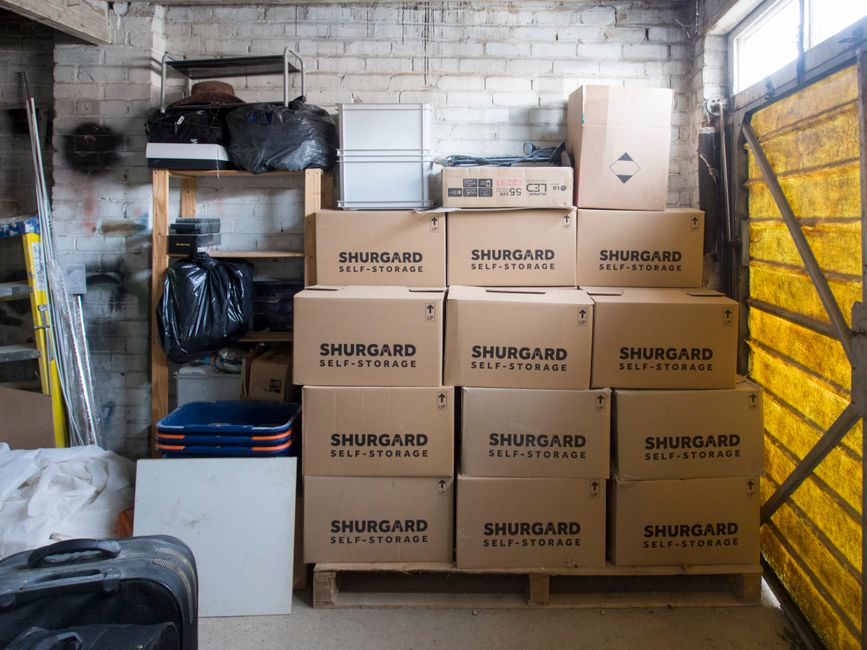
If your bins are already labeled and organized, inspect each one before sealing it for the move — it is common for items added over time to shift a bin's contents into something no longer matching its label. For bins that have become mixed-category catch-alls, take ten minutes to sort and consolidate before sealing. Bins with cracked lids or damaged sides should be transferred into moving boxes to prevent spills during transit.
Sports and Recreational Equipment
Bicycles should have their handlebars turned parallel to the frame and pedals removed to reduce width. Deflate sports balls slightly to save space and prevent pressure buildup in a hot truck. Fishing rods and golf clubs travel best in their original bags or purpose-built tubes. Skis and snowboards can be bundled together with moving straps. Camping gear — tents, sleeping bags, backpacks — packs well in large boxes or duffel bags that can be compressed.
Holiday Decorations
String lights are notorious for arriving tangled beyond use. Wind each strand around a piece of cardboard cut from a box, and secure the end with a rubber band. Fragile ornaments should be individually wrapped in tissue paper or packing paper and packed in their original boxes when possible — or in egg cartons for small round ornaments. Label holiday decoration boxes by holiday so unpacking at the new home can be deferred until the appropriate season.
Automotive Supplies
Sealed automotive supplies — touch-up paint, car wax, windshield washer fluid — are generally fine to transport in your moving truck provided they are sealed and upright. Loose batteries (car batteries, lawn tractor batteries) should be wrapped in plastic sheeting and transported in your vehicle to prevent acid spills. Tire chains, jumper cables, and tow straps can be coiled and placed in medium boxes or duffel bags.
Moving Day Logistics for the Garage
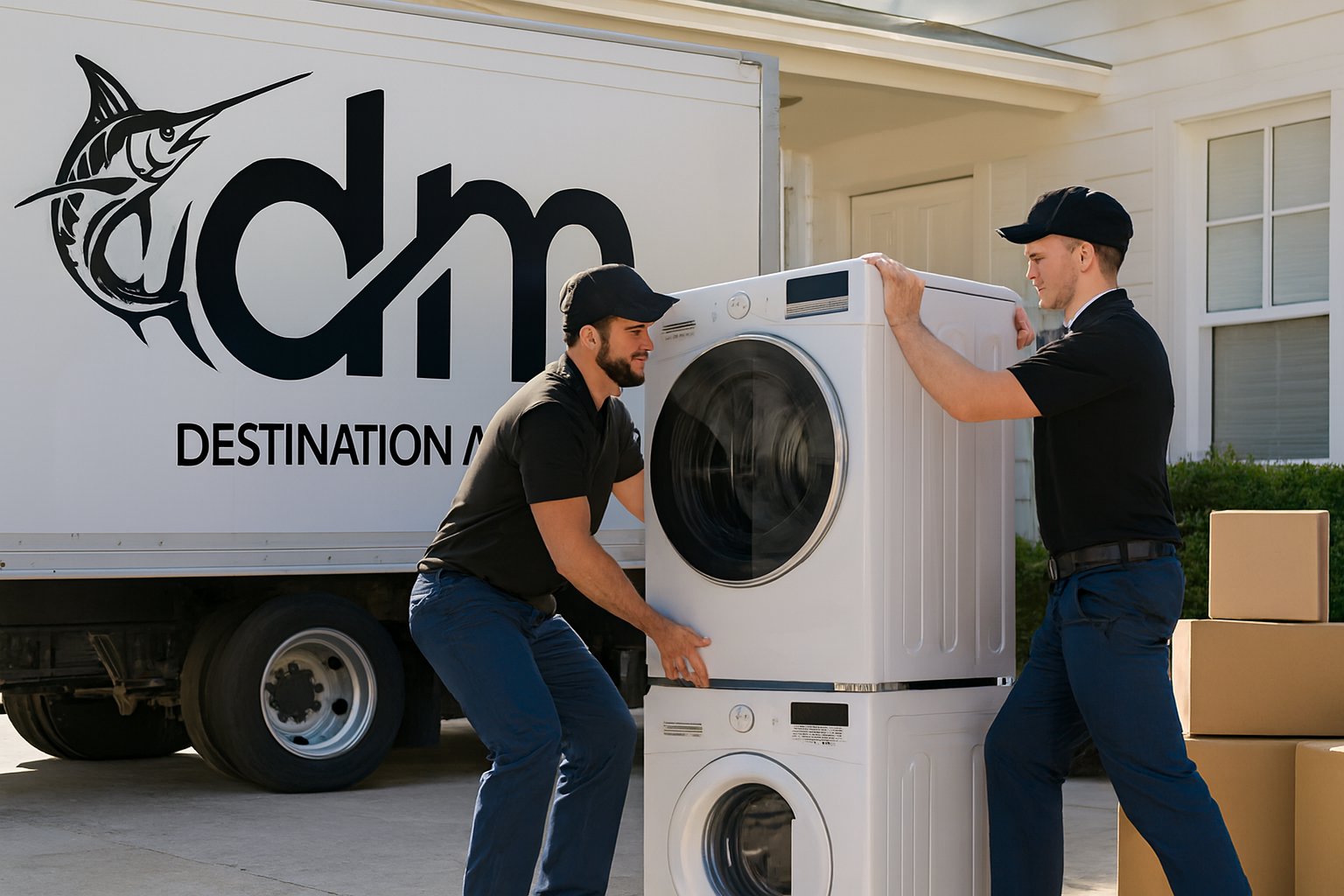
The garage should typically be loaded last onto the moving truck, so it is positioned near the door and comes off first at your new home — allowing you to unpack and access tools you may need to reassemble furniture or set up the new space. Communicate this preference to your moving crew before loading begins.
Walk the garage one final time before the truck departs. Check under shelving units, behind workbenches, inside every cabinet and drawer, and in the rafters if your garage has overhead storage. The garage is where items hide longest because there is no daily routine that surfaces them the way a kitchen or bedroom would.
Keep a dedicated "garage essentials" bag or bin accessible in your vehicle with the items you are most likely to need on moving day and the first morning in your new home: a basic tool kit, extension cord, utility knife, box cutter, and permanent markers for labeling.