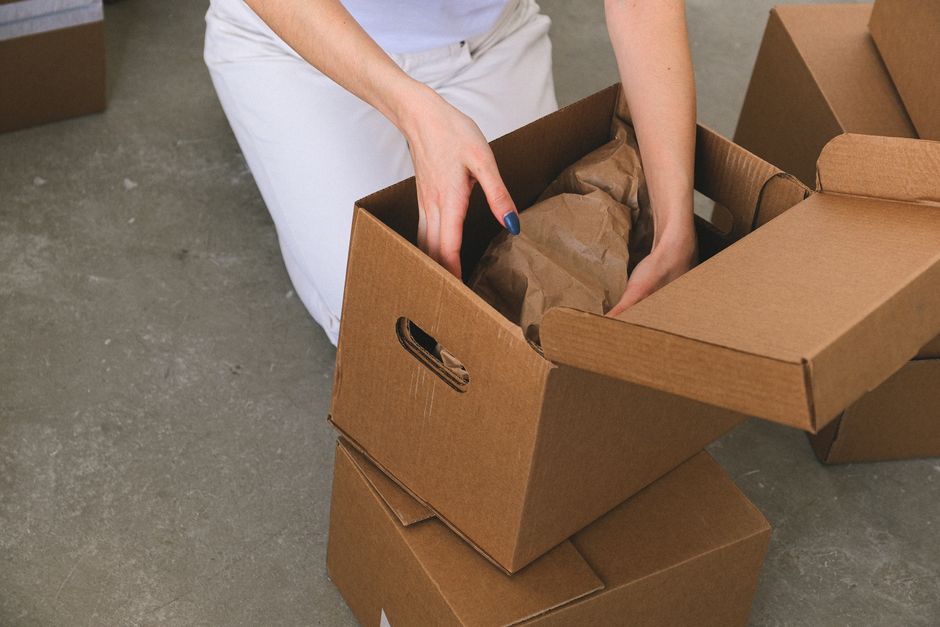
Knowing how to pack a nursery for moving is one of the most emotionally and logistically demanding challenges in any residential relocation. At first glance the nursery looks manageable — a crib, a dresser, a few soft toys, and a changing table. But once you work through what actually lives in that room, the scope expands fast: a convertible crib with hardware that is easy to lose and nearly impossible to replace mid-move, a changing table that conceals a full set of drawers packed with diapers and creams, a glider or rocking chair with a recline mechanism, a baby monitor system wired through the walls, a swing, a bouncer, stacked bins of clothing sorted by size, and a small pharmacy's worth of infant medication and specialty supplies. Pack a nursery without a plan and you risk missing hardware, damaged furniture, improperly stored feeding supplies, and — most importantly — setting up an environment at your destination that is unsafe for the child who will sleep in it on night one.
Why the Nursery Requires Its Own Packing Strategy
The nursery sits in a unique category among the rooms in your home. It is not the most fragile room — that distinction often goes to the dining room with its china and crystal. It is not the heaviest — the garage wins that contest. But the nursery may be the most consequential room to get wrong. Everything that comes out of it must be reassembled, verified, and confirmed safe before your child sleeps in it. That standard is different from any other room in the house.
There are four specific reasons nursery packing goes wrong more often than parents expect:
- Hardware loss during disassembly: Cribs, bassinets, and convertible furniture are assembled with specific bolts, Allen keys, and fasteners that are not standardized. Losing even a single bolt during the move can render a crib unusable — and replacement hardware is not always available at a local hardware store. Many crib manufacturers recommend against using substitute hardware for structural safety reasons.
- Safety item uncertainty after transit: Car seats, infant sleep positioners, baby monitors, and certain feeding devices carry strict manufacturer guidelines about continued safe use after impact or significant jostling. A car seat that has been in a vehicle accident, for example, must typically be replaced — and a car seat that has been improperly transported or stored during a move can raise similar concerns worth investigating.
- Clothing volume and organization complexity: Nursery dressers often contain clothing sorted carefully by size — newborn, 0–3 months, 3–6 months, and beyond. Loading all of it into unlabeled boxes destroys that organization and creates hours of re-sorting at your destination, exactly when you have the least time and energy to spare.
- Soft goods and sensitive materials: Crib mattresses, nursing pillows, changing pad covers, and soft toys accumulate bacteria and allergens quickly when improperly stored or pressed against unclean surfaces during a move. These items need specific wrapping and protection to arrive in the same hygienic condition they left in.
Working through the nursery in a deliberate sequence — furniture and hardware first, then large gear, then clothing, then soft goods, then safety items and documentation last — keeps the process controlled and ensures nothing critical is overlooked in the final rush before moving day.
Step One: Audit, Declutter, and Document Before You Disassemble Anything
The nursery is one of the best rooms in the home to declutter before a move. Children grow fast and gear accumulates faster. A thorough pre-move audit typically uncovers items the family has genuinely outgrown, duplicates received as gifts, and equipment that is past its safe-use date — many car seats, for instance, carry printed expiration dates that parents do not always notice.
What to Evaluate Before You Start Packing
- Has this item been recalled? The U.S. Consumer Product Safety Commission (CPSC) maintains a searchable recall database. Before packing any crib, sleep product, highchair, or baby carrier, verify it has not been recalled. Moving a recalled item to a new home is not a solution — it is a liability.
- Is this item expired? Car seats have expiration dates molded into the plastic shell, typically six to ten years from manufacture. If the seat is expired, this move is the right moment to replace it rather than transport and reinstall an unsafe product.
- Has this item been in an accident or suffered significant impact? Car seats and certain bouncers and swings have manufacturer guidance about continued use after incidents. If in doubt, contact the manufacturer directly before deciding whether to move the item.
- Has the child outgrown this? Swings, infant bouncers, and bassinets all carry weight and age limits. If the child has already aged out of an item, donating or selling before the move saves truck space and unpacking time.
Photographing and Documenting Furniture Before Disassembly
Before you remove a single bolt from the crib or convertible dresser, photograph every angle of the assembled piece. Pay particular attention to hardware locations, the position of adjustable mattress support rails, and any conversion components — if you have a four-in-one convertible crib, photograph the current configuration and locate the manufacturer's instruction manual for the target configuration at your new home. If you cannot find a physical copy of the manual, download a PDF from the manufacturer's website before moving day.
Step Two: Disassembling and Packing Nursery Furniture
Nursery furniture is purpose-built for safety and stability in a fixed location — not for transit. Every piece of furniture that comes apart should come apart deliberately, with its hardware stored in a way that makes reassembly straightforward at the other end.
Cribs and Convertible Cribs
Disassemble the crib completely. Remove the mattress support platform and any height-adjustment hardware separately. Place all bolts, screws, and Allen keys in a clearly labeled zip-lock bag, and tape that bag directly to the largest panel of the crib frame — not to a box that could become separated from the crib during loading. Wrap each wooden panel in moving blankets and secure the blankets with stretch wrap. Do not stack heavy boxes on top of crib panels, and do not lay flat-packed crib components directly on the truck floor without a layer of padding underneath — wood can absorb moisture from truck floors and warp.
Changing Tables and Dressers
Remove all drawers before moving. Wrap each drawer individually in stretch wrap to keep its contents contained and the drawer face protected from scratches. Tape a label to the outside of each drawer indicating its position (top, middle, bottom) so reassembly is immediate. Wrap the main dresser body in moving blankets. If the changing table topper is removable, detach it, wrap it separately, and bag any mounting hardware.
Gliders and Rocking Chairs
Most gliders separate into the seat-and-back unit and the base. Disassemble if possible. Wrap upholstered surfaces in stretch wrap to protect fabric from tears, snags, and soil during transit. Pad the base's metal or wooden glide tracks with foam wrap or bubble wrap, as these surfaces are what takes the most damage when loaded without protection.
Shelving, Storage Units, and Wall Items
Remove all wall-mounted shelves, hooks, and décor before the move — do not leave this to the last minute or assume the moving crew will handle wall fixtures. Bag the wall anchors and screws from each shelf separately, label them by location, and pack them where you will find them easily at setup. Remove framed art, mobiles, and wall decals carefully; rolled décor and soft wall art can be placed in wardrobe boxes or small tubes to avoid creasing.
Step Three: Packing Baby Gear, Feeding Equipment, and Supplies
Baby gear — the stroller, the highchair, the swing, the bouncer, the play mat, the baby monitor — is where nursery packing gets logistically complicated. This category of items is bulky, oddly shaped, and rarely fits neatly into standard moving boxes.
Strollers
Fold the stroller to its most compact position. If it came in an original box, use that box — it was engineered for the stroller's dimensions and provides meaningful protection. If the original box is not available, wrap the stroller in moving blankets and secure with stretch wrap. Remove any accessories — cup holders, snack trays, rain covers — and pack them separately in a clearly labeled box. Clean the stroller before packing; moving a stroller with food residue in the seat or wheels is an invitation for insects and odors in the new home.
Car Seats
Car seats should be packed carefully but do not require disassembly. Place the car seat in its travel bag if available, or wrap it in a moving blanket. Do not place heavy items on top of a car seat during transit. As noted above, if you have any concern about whether the car seat has been subjected to unusual stress during the move, consult the manufacturer's guidance or contact their support line before reinstalling it in a vehicle.
Baby Monitors, Swings, and Bouncers
Wrap monitor cameras and base units in bubble wrap and pack them in a small, clearly labeled box — these are electronic items that should not be buried under heavy goods in the truck. For battery-powered or plug-in swings and bouncers, fold to the smallest configuration, remove batteries before transport (batteries can leak in heat), and wrap any protruding arms or canopy pieces in foam wrap.
Feeding Supplies and Formula
Bottles, nipples, breast pump components, and bottle warmers should be washed and fully dried before packing to prevent mold. Pack them in a dedicated, labeled bin — not mixed with other kitchen items — so they can be located and set up immediately upon arrival. Formula and sealed baby food pouches can travel in a moving truck if temperatures are not extreme, but opened or partially used items should be disposed of and replaced at the destination rather than transported.
Medications and Health Supplies
Infant medications — gas drops, fever reducers, vitamin supplements, saline nasal spray — should be packed in a small personal bag that travels in your vehicle, not in the moving truck. Temperatures in an unventilated moving truck can exceed safe storage ranges for medications. Keep these items accessible and climate-controlled throughout the move.
Step Four: Packing Nursery Clothing and Soft Goods
Nursery clothing requires more organizational strategy than raw packing effort. The risk is not damage — infant clothing is soft and resilient — it is losing the size-sorting system that makes a nursery functional on day one in a new home.
Clothing by Size
Keep clothing sorted by size throughout the pack. Use labeled ziplock bags or packing cubes within boxes to maintain size groups. Write the size category on the outside of each box in addition to labeling it as nursery clothing. If your child is currently wearing 6-to-9-month clothing, that box should be the easiest one to identify and open first at your destination.
Crib Mattresses, Changing Pad Covers, and Nursing Pillows
Crib mattresses should be placed in a mattress bag sized for a crib or toddler mattress — available at most moving supply retailers. Do not leave a crib mattress unwrapped; it will absorb dust, odors, and potential contaminants from the truck floor or other household goods. Changing pad covers and nursing pillows should be laundered before the move if possible, then sealed in large zip-lock storage bags before packing.
Soft Toys, Stuffed Animals, and Play Mats
Soft toys can be packed in large, clearly labeled trash bags or wardrobe boxes — they compress well and do not require rigid box protection. Play mats can be rolled and secured with stretch wrap. Keep any beloved comfort items — a favorite stuffed animal, a specific blanket — out of the moving truck entirely and in your vehicle where your child can access them during the move.
Step Five: Setting Up the Nursery First at Your Destination
Professional movers and experienced relocators consistently recommend setting up the nursery before any other room in the new home. The reasoning is straightforward: if your child naps or sleeps in a crib, that crib needs to be assembled, verified, and ready before the first night. Reassembling a crib at 11 p.m. after a full day of moving — when you cannot find the hardware bag and the instruction manual is in an unmarked box — is a situation worth actively avoiding.
Before your child sleeps in the reassembled crib, verify: all bolts are tightened to manufacturer specification, the mattress support is at the correct height setting for the child's current age and mobility, the mattress fits snugly with no gap at the edges, and no recalled or damaged components are being used. If anything feels uncertain, contact the manufacturer before use — not after.
Setting up a safe, familiar environment for your child on night one of a move reduces stress for the whole family and gives the rest of the unpacking process a more manageable pace. A nursery that is ready when the truck is unloaded is one of the most effective ways to make the first night in a new home feel like home.