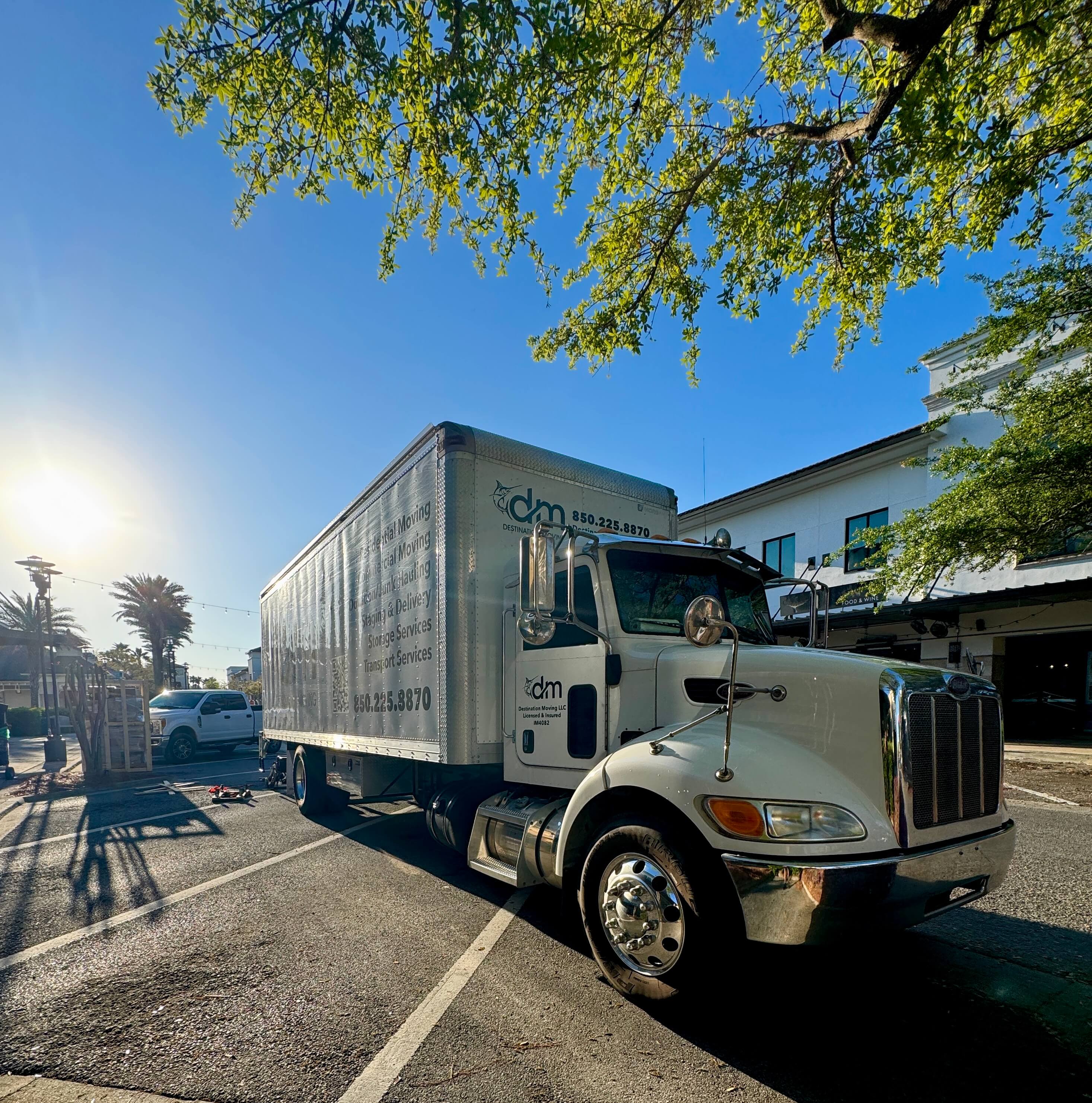
Knowing how to pack clothes for moving is one of the most practical skills you can bring to any relocation. Clothing is easy to overlook in a packing plan — it is soft, it does not shatter, and it seems like it can go anywhere. But the truth is that a wardrobe packed carelessly can arrive wrinkled beyond recognition, damp, musty, or simply lost in a sea of unlabeled boxes. A little strategy up front saves hours of ironing and re-sorting at your new home.
Why Packing Clothes the Right Way Actually Matters
Clothing is often the highest-volume category in any household move. The average person owns more garments than they realize, and those garments live in multiple places — closets, dressers, under-bed storage, hallway hooks. Without a system, clothing packing becomes chaotic fast.
There are four specific problems that arise from careless clothing packing:
- Wrinkles and permanent creasing: Heavy items packed on top of delicate fabrics like silk, linen, or rayon can set creases that take significant effort to remove — or, in the case of certain fabrics, cannot be fully undone.
- Moisture and mildew: Clothes packed even slightly damp inside sealed boxes or plastic bags can develop mildew within 24 to 48 hours, especially in a warm moving truck.
- Wasted space: Clothes packed without compression or folding strategy take up far more box volume than necessary, increasing the number of boxes and the total moving cost.
- Lost or mixed-up items: When clothes from different rooms or different family members go into unlabeled boxes, unpacking becomes a time-consuming puzzle at the worst possible moment.
A clear, room-by-room approach eliminates all of these problems without requiring expensive supplies.
The Best Packing Methods for Different Types of Clothing
Not all clothing should be packed the same way. The right method depends on the fabric type, whether the item is hanging or folded, and how much you care about its condition upon arrival.
Wardrobe Boxes for Hanging Clothes
Wardrobe boxes are tall, reinforced cardboard boxes that include a metal hanging rod across the top. They are the gold standard for moving suits, blazers, dresses, dress shirts, and any garment that would be damaged by folding. You simply transfer items directly from your closet to the wardrobe box — still on their hangers — and zip them closed or fold the top flaps shut.
A single wardrobe box typically holds roughly 2 feet of hanging closet space, so take a realistic measurement of your hanging clothes before ordering. Most households need between two and five wardrobe boxes depending on the size of the wardrobe.
One practical tip: leave a layer of garment bags or a trash bag loosely draped over the tops of your hanging items inside the wardrobe box. This protects against dust and any moisture that might enter if the truck is opened in rain.
Folded Clothes in Medium Moving Boxes
Everyday folded items — T-shirts, jeans, sweaters, casual pants, underwear, and socks — pack well in standard medium-sized moving boxes. The key is to fold items neatly and layer them flat, alternating orientation so that the box stays level and stable. Resist the urge to cram extra items in by force; an overstuffed box bows out at the sides and is much harder to stack safely in the truck.
The bundle-wrapping method — where you wrap smaller items around a central core, creating a tight bundle that resists unfolding — works well for travelers and works equally well in a moving box. It reduces wrinkles and keeps the box contents from shifting during transit.
Vacuum Storage Bags for Bulky Items
Comforters, thick winter coats, blankets, and down jackets can take up enormous amounts of box space when packed normally. Vacuum storage bags — sealed plastic bags from which you remove air using a vacuum cleaner — compress these items to a fraction of their original volume. A bulky king-size comforter that would normally fill its own box can be compressed into a flat package that slides under bed items or fits at the bottom of a wardrobe box.
One caution: do not leave down-filled items compressed for more than a few weeks. Extended compression can affect the loft and insulating properties of natural down. For a standard move, this is rarely a concern, but it is worth keeping in mind if items will go into storage for an extended period.
Using Drawers and Suitcases
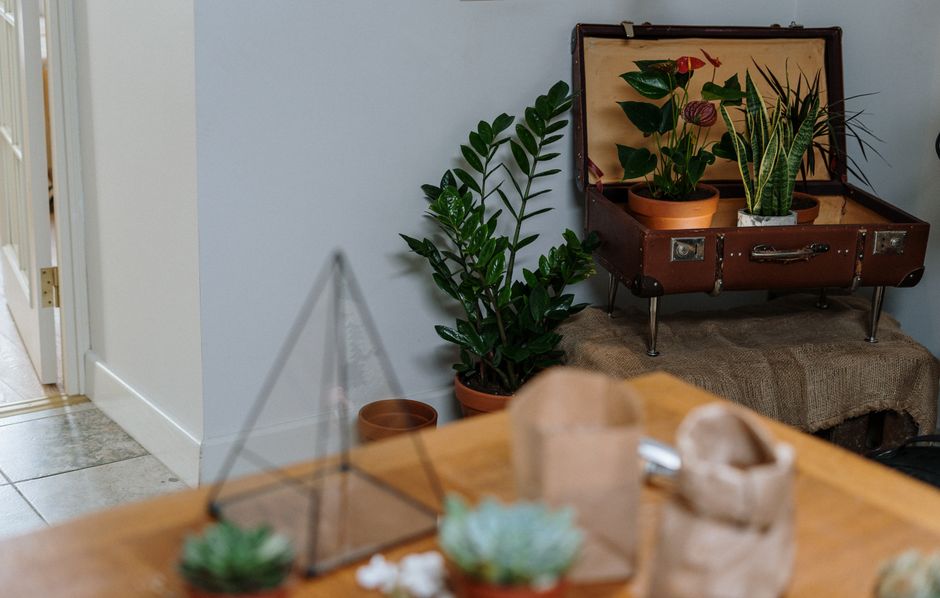
One of the most efficient clothing-packing strategies is also one of the most obvious: use the containers you already own. Suitcases, duffel bags, tote bags, and backpacks are all fair game for clothing, and they save cardboard box space for items that have no container of their own.
Dresser drawers are another option. For short, local moves, some professional movers will transport a dresser with its drawers still in place if the drawers are shallow and lightweight. However, for longer moves or if the dresser will be tilted during loading, it is safer to remove the drawers, pack the clothes inside them into bags or boxes, and move the empty dresser frame separately. This prevents drawers from sliding out and spilling, and reduces strain on the dresser's frame.
How to Protect Delicate and Specialty Clothing Items
Some items in your wardrobe deserve extra attention beyond standard packing methods.
Formal Wear and Special-Occasion Garments
Wedding dresses, tuxedos, ball gowns, and other formal wear should always travel in a wardrobe box if possible, ideally inside their own garment bags. If the garment has beading, embroidery, or structured boning, pack tissue paper inside the bodice and between any layers to maintain the shape and prevent fabric-on-fabric abrasion during transit.
If you do not have a wardrobe box, lay formal wear flat in a large, clean plastic bin with a lid rather than folding it into a cardboard box. A plastic bin provides moisture resistance that cardboard cannot.
Shoes
Shoes deserve their own packing plan. Pair each shoe together and wrap each pair individually in packing paper or a shoe bag. Place shoes in small or medium boxes — never at the bottom of a clothing box where the weight of garments above them can misshape them. Stuff the inside of leather shoes and boots with clean paper or rolled socks to help them hold their shape during the move.
Jewelry and Accessories
Scarves, belts, ties, and other soft accessories can be rolled and tucked into shoes or the gaps between folded clothing inside boxes. For jewelry, the moving process is a separate consideration that calls for its own protective packaging — small items can easily become tangled or lost inside a clothing box.
Labeling, Sequencing, and Moving-Day Essentials
The final step in packing your wardrobe is making sure you can find what you need on the other end — including what you need before the rest of your boxes are unpacked.
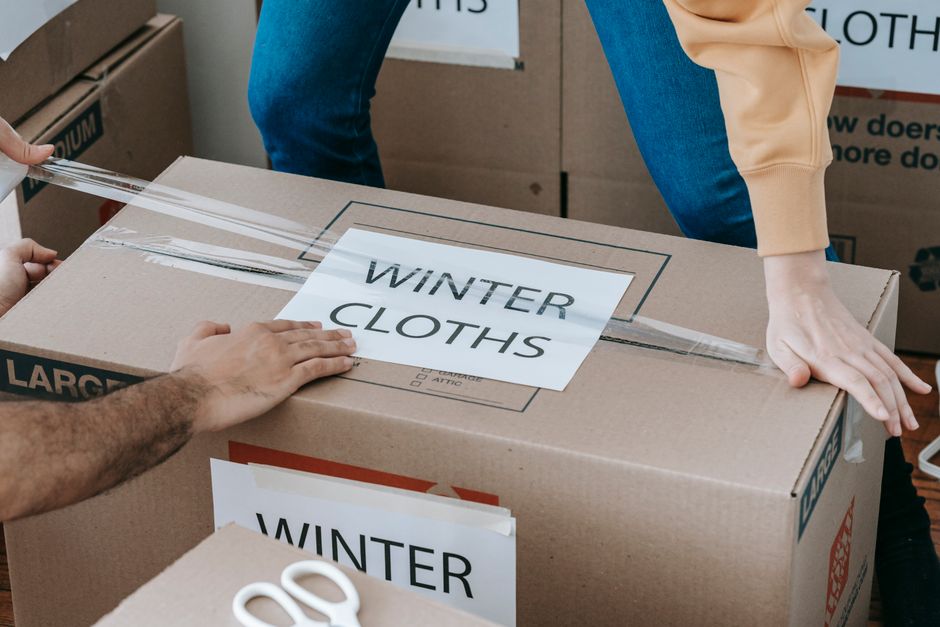
Label every clothing box clearly on the top and on one side with the room destination and a brief contents description: "Master Bedroom — Sweaters & Jeans" or "Kids' Room — Winter Coats." This allows movers to place boxes in the correct room immediately, which saves you from hunting through a stack of identical boxes in your new living room.
Pack a separate "first night" bag with the clothing you will need for your first 24 to 48 hours in the new home — pajamas, a change of clothes for the next day, toiletries, and any medications. Keep this bag with you in your personal vehicle or clearly separated from the moving truck load. No matter how efficiently you pack and unpack, having that bag accessible means the first night in your new home is comfortable rather than chaotic.
Finally, make sure every item you pack is clean and fully dry. Moving is exactly the wrong time for damp workout clothes or wet towels to sit sealed in a box. If laundry is not done before moving week, prioritize washing the items that are going into sealed boxes or vacuum bags above everything else.
A Quick Pre-Move Declutter Makes Everything Easier
Before committing to packing every item in your current wardrobe, take an honest pass through your clothing. Moving is one of the most natural prompts for a wardrobe edit. Any item you have not worn in the past year, anything that no longer fits, and anything that is worn past the point of usefulness can be donated, sold, or recycled rather than packed, moved, and stored in a new closet.
Fewer items means fewer boxes, less weight, lower moving costs, and a wardrobe in your new home that genuinely reflects what you wear. Even a single afternoon of sorting can meaningfully reduce the packing work ahead of you.
Moving a household wardrobe is entirely manageable when you give it the same deliberate attention you would give furniture or fragile items. With the right boxes, the right techniques, and a clear labeling system, your clothes can arrive at your new home in exactly the condition they left — clean, organized, and ready to fill your new closet from day one.