Whether you are a casual reader or a dedicated collector, knowing how to store books is essential for preserving the integrity of your personal library. Paper is a delicate material that is highly susceptible to environmental factors like moisture, heat, and direct sunlight. Without a proper strategy, your favorite novels can quickly suffer from warped covers, yellowed pages, or even destructive mold growth.
Protect your heavy book boxes from strain and damage by calling 850-225-8870 to book our professional loading and lifting specialists today.
Selecting the right location is the first step in mastering the art of preservation. Most enthusiasts realize that a basement or an attic is often the worst place for literary treasures due to extreme temperature fluctuations. When you understand how to store books correctly, you prioritize stable environments where the air remains dry and the temperature stays consistently cool throughout the year.
The Importance of Climate Control
The most significant threat to your collection is the environment, which is why climate control is the foundation of how to store books. High humidity levels encourage the growth of spores and can cause the glue in bindings to soften and fail. Ideally, you should maintain a relative humidity level of around 50 percent to keep the paper supple but dry.
Temperature stability is equally important because heat can accelerate the chemical breakdown of acidic paper. If you are using a storage facility, always opt for a climate controlled unit rather than a standard one. This small investment ensures that your library remains in the same condition as the day you packed it away for the future.
Selecting the Right Containers
When considering how to store books for a move or long term storage, the choice of boxes matters immensely. You should always use small, sturdy boxes rather than large ones to prevent them from becoming too heavy to lift safely, especially when prepping for long-distance moves. Acid free cardboard or plastic bins with secure lids are the best options for protecting against dust and pests.
If you use plastic bins, ensure they are completely clean and dry before adding your collection. While plastic protects against water leaks, it can also trap moisture inside if the environment is not stable. Adding a few silica gel packets can help absorb any residual moisture, providing an extra layer of security for your precious printed materials.
Proper Packing Techniques
How you physically place each volume inside a box is a critical part of how to store books without causing structural damage. Books should be packed either flat or standing upright with the spine supported by the side of the box. Never pack them with the spine facing up, as this can cause the text block to pull away from the cover.
- Pack books of similar sizes together to ensure even weight distribution.
- Fill any gaps in the box with acid free packing paper to prevent shifting.
- Place the heaviest books at the bottom of the container to provide a stable base.
- Avoid using newspaper for wrapping as the ink can transfer and ruin the pages.
Shelving Best Practices
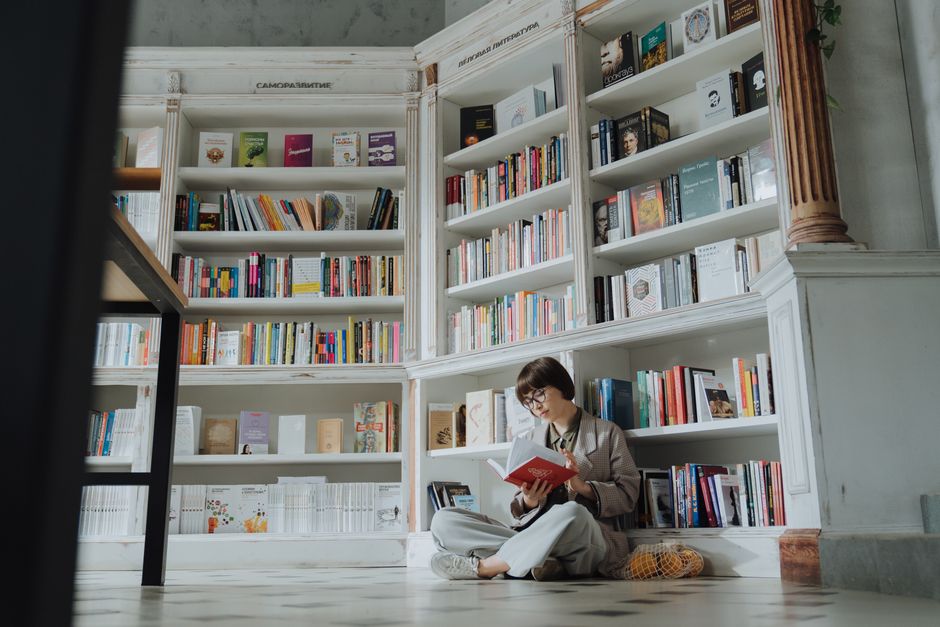
If you prefer to keep your library accessible, learning how to store books on shelves is just as important as packing them in boxes. Shelves should be made of stable materials like finished wood or powder coated metal. Unfinished wood can release natural gases that may turn the pages yellow over time if they are in direct contact.
Ensure that the shelves are not overcrowded, as tight packing can cause the covers to warp when you try to remove a single volume. Conversely, books that lean at an angle for too long will eventually develop a permanent slant known as a "cocked" spine. Using sturdy bookends at each end of the row keeps everything upright and properly aligned.
Protecting Against Direct Sunlight
UV rays are incredibly damaging to paper and ink, making light management a key aspect of how to store books. Constant exposure to sunlight will cause the spines to fade and the pages to become brittle and prone to cracking. Position your bookshelves away from windows or use heavy curtains to block out the harshest rays of the day.
If your library is in a room with a lot of natural light, consider installing UV filtering film on the window glass. This allows you to enjoy a bright room without sacrificing the vibrant colors of your book jackets. Preservation is a long term commitment, and shielding your collection from the sun is one of the easiest ways to ensure its longevity.
Dealing with Pests and Infestations
Silverfish, beetles, and rodents are all attracted to the glue and paper found in libraries, posing a threat to how to store books safely. Regular cleaning and dusting of your shelves will discourage these pests from making a home among your favorite titles. Always inspect any second hand books thoroughly before adding them to your main collection.
If you notice tiny holes in the pages or fine dust near the bindings, you may have an active infestation. In these cases, it is best to isolate the affected items immediately to prevent the spread to the rest of your library. Professional archival services can sometimes help save damaged items, but prevention through clean storage is always the better route.
Handling and Cleaning Methods
The way you handle your collection directly impacts how to store books for the future. Always wash and dry your hands before reading to prevent oils and dirt from staining the paper. When removing a book from a shelf, avoid pulling it by the top of the spine, as this can easily tear the delicate material.
Instead, push the books on either side back slightly so you can grab the middle of the spine firmly. Dusting should be done with a soft microfiber cloth or a dedicated vacuum with a gentle brush attachment. Keeping the edges of the pages clean prevents dirt from being pressed into the fibers when the books are closed.
Long Term Storage in Specialized Units
For those with massive collections over 900 volumes, finding space at home can be a challenge. Before moving everything into a unit, it can be helpful to clear out titles you no longer wish to keep by utilizing professional donation removal services. When researching how to store books in a professional facility, prioritize security and accessibility. A well ventilated unit prevents the air from becoming stagnant, which is a major contributor to that musty "old book" smell.
Ensure that the boxes are stored off the ground on pallets or shelving units to protect them from potential floor leaks. Label each box clearly on the side so you can find specific titles without having to unstack the entire unit. Organized storage makes it much easier to rotate your collection or retrieve items whenever you decide to refresh your home shelves.
Caring for Rare and Antique Books
Antique volumes require an even more specialized approach to how to store books. These items often feature leather bindings or delicate vellum that react strongly to changes in the environment. Using archival quality polyester sleeves can protect the dust jackets and covers from oils, dirt, and minor abrasions during handling.
If a book is particularly fragile, consider storing it in a custom made "clamshell" box. This provides a rigid structure that supports the book on all sides and keeps it safe from light and dust. For high value items, consulting with a professional conservator can provide you with a tailored plan to preserve the historical significance of your collection.
Digital Archiving as a Backup
While nothing replaces the feel of a physical page, digital archiving is a modern supplement to how to store books. Scanning important documents or rare pages allows you to access the information without having to physically handle the original item. This reduces the wear and tear on the most vulnerable parts of your collection.
Many collectors use library management software to keep track of their inventory, including notes on the condition and location of each book. This level of organization is helpful for insurance purposes and for managing a growing library. By combining physical preservation with digital records, you create a comprehensive system that protects your intellectual property for years.
Moving a Large Library Safely
The physical act of relocating is one of the most dangerous times for a collection, making it a vital part of how to store books. Heavy lifting and improper loading can lead to crushed boxes and damaged bindings, whether you are relocating a home library or executing large-scale commercial moves. It is essential to communicate the value of your books to anyone assisting with the move to ensure they are handled with care.
Professional loaders have the experience to stack book boxes correctly in a truck, ensuring that nothing shifts during transit. They use specialized techniques to protect your property and ensure that the weight is distributed evenly. This expertise prevents the common moving day disasters that can ruin a lifetime of careful book collecting in just a few minutes.
The Joy of a Well Preserved Library
Ultimately, the goal of learning how to store books is to ensure that you can enjoy your collection for as long as possible. A well maintained library is a testament to your interests and provides a sense of comfort and history in your home. Taking the time to implement these storage strategies pays off every time you open a crisp, clean volume.
By following the principles of climate control, proper packing, and careful handling, you can pass your library down to future generations. Books are more than just objects; they are vessels for ideas and stories that deserve to be protected. Start your preservation journey today by reviewing your current storage methods and making the necessary adjustments for a healthier library.
Protect Your Library with Professional Heavy Lifting Help
Destination Moving has built a legacy of trust over the years, providing families with specialized support for their most delicate relocations. Our expert team offers comprehensive services including heavy lifting, truck loading, and furniture transport with a focus on safety. We differentiate ourselves with a commitment to property protection during every single move. Allow us to handle the physical labor while your library stays safe.
Contact: daniel@destinationmovingfl.com | 850-225-8870