Packing kids' rooms for moving is less about boxing up toys and more about managing the emotional side of the process while keeping your child's routine intact. The physical packing is the easy part. The harder part is doing it in a way that does not turn moving day into a meltdown. Here is how to handle both.
What should you pack first in a kid's room?
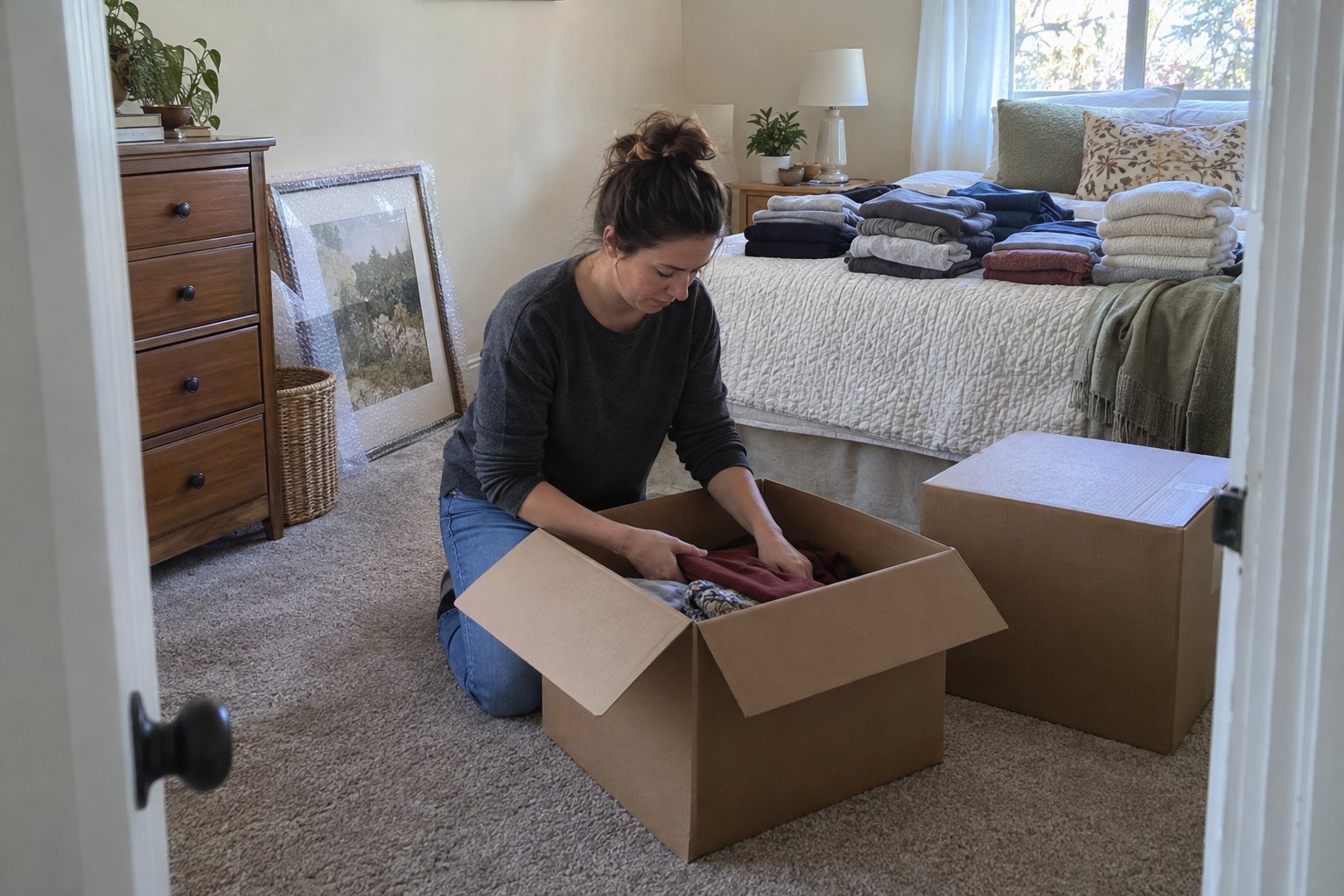
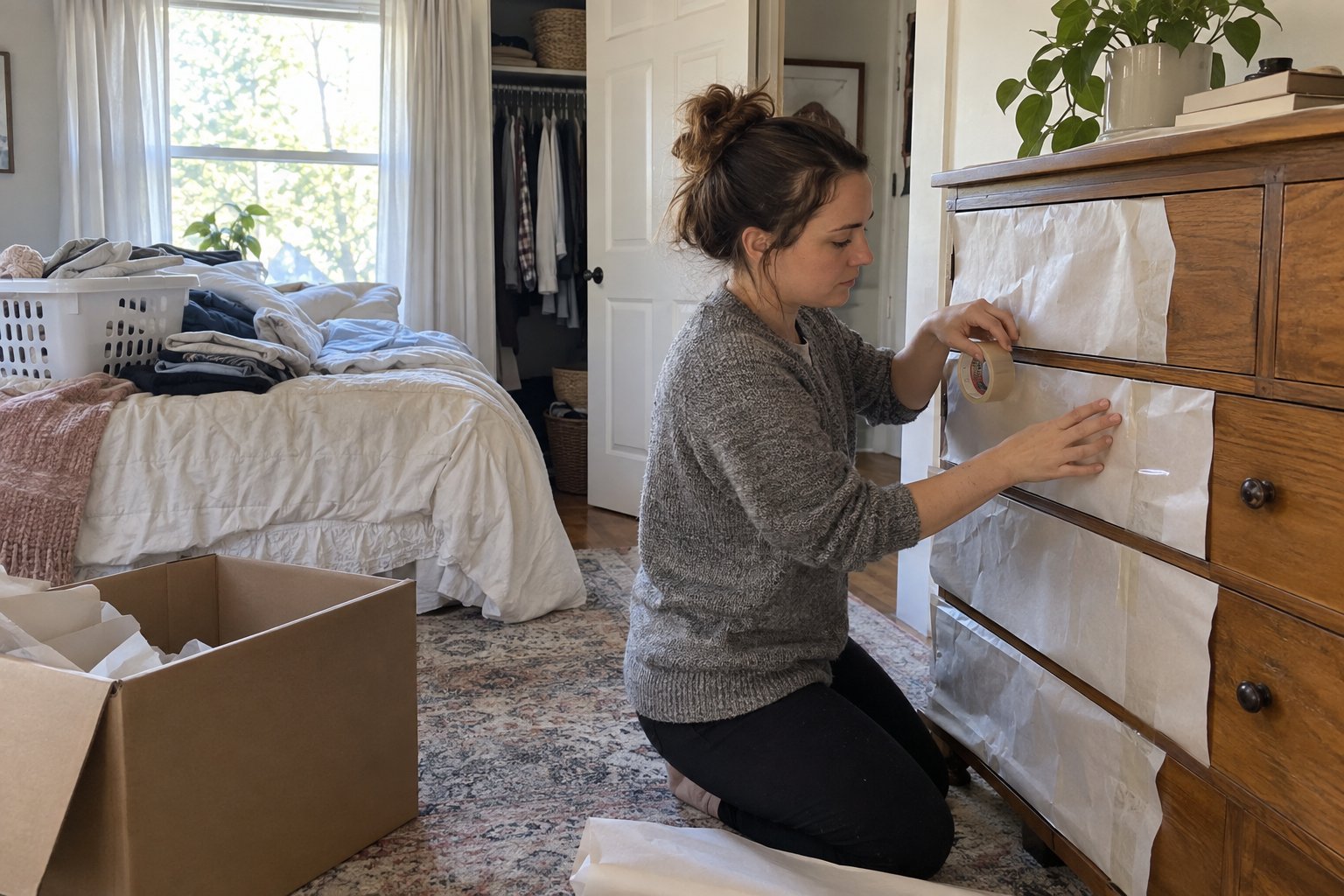
Start with items your child does not use daily: off-season clothes, outgrown toys, extra bedding, and decor on high shelves. Leave anything tied to their daily routine, like a favorite stuffed animal, a specific blanket, or nightly reading books, until the very last day.
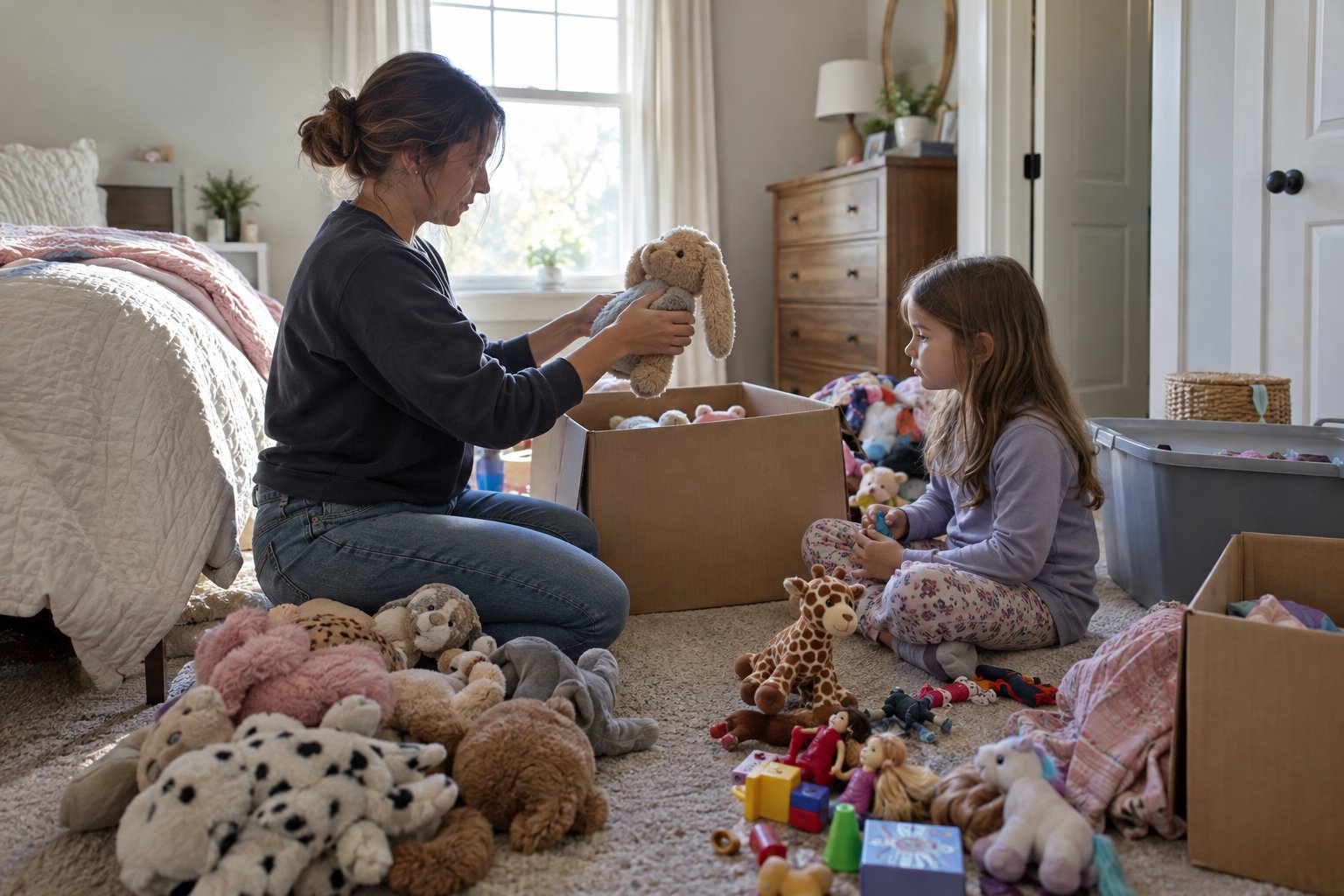
Packing in this order reduces disruption. A child who still has their comfort object and familiar bedding the night before the move will handle the transition far better than one whose whole room disappeared into boxes a week early. Work in short sessions rather than one long marathon, and let your child help with the low-stakes items first (old toys, books they have outgrown) so they feel some control over the process without being asked to part with something they still love.
Sort before you box
Create three piles: keep, donate, and unsure. The "unsure" pile matters more for kids' rooms than any other room in the house, because children often change their minds about what they want to keep once they see it again days later. Give that pile a week to settle before deciding, if your timeline allows it.
How do you keep a child's favorite items accessible during the move?
Pack one clearly labeled "first night" box per child that travels with you, not in the moving truck. This box should include their comfort item, a couple of favorite toys, pajamas, a toothbrush, and one or two books. Knowing this box exists, and that it will not get lost in the shuffle, gives kids a concrete sense of security.
Avoid the common mistake of packing the first-night box early and then adding "just one more thing" to it until it becomes a catch-all box that is impossible to find in the truck. Seal it the morning of the move or the night before, and keep it in the car with you rather than handing it to anyone else to load.
How do you prepare kids emotionally for packing up their room?
Tell your child what is happening before boxes start appearing, not after. Children handle change better when they see it coming and understand why, even if they do not love the reason. A short, honest explanation beats a surprise every time.
Give them a job during the packing process that matches their age: a toddler can hand you soft toys to put in a box, a school-age child can decide which drawings go on the wall in the new room, a teenager can pack their own closet with guidance. Having a role reduces the feeling that the move is something happening to them rather than something they are part of.
If your child seems anxious, let them say goodbye to their room on their own terms. Some kids want to take a photo of their old bedroom before it empties out. Others want to leave a small note for the next family. Small rituals like these are not required, but they give kids a sense of closure that packing alone does not provide.
Watch for regression
It is common for young children to temporarily regress during a move: sleep troubles, clinginess, or acting out. This usually passes within a few weeks of settling into the new space. Keeping as much of their daily routine intact as possible (same bedtime, same meals, same comfort items) shortens that adjustment period.
What packing materials actually work for kids' rooms?
Use smaller boxes for toys and books so nothing gets too heavy to carry, and clear bins for anything your child might want to dig through before everything is unpacked at the new house. Label every box with the room it is going to and a one-line description of what's inside, written in a way your child can also recognize (a sticker, a color code, or a simple drawing works well for younger kids).
Keep a small toolkit of child-safe scissors, tape, and a permanent marker set aside so older kids can help label their own boxes. This small bit of ownership tends to make the whole process feel less like something being done to them.
What should you set up first in the new room?
Unpack the child's room before almost anything else in the new house, even if the rest of the home stays in boxes for days. A bed made up with familiar sheets, a few toys out, and the first-night box unpacked gives kids an anchor point in an otherwise unfamiliar space.
If you are managing a longer-distance move where unpacking the same day is not realistic, plan for a temporary setup: an air mattress with their own bedding, their comfort items within reach, and a short conversation about where their "real" room will go. Families coordinating this kind of transition often look at residential moving as the service category that covers the overall relocation, since it is the broader move that a child's room packing fits inside.
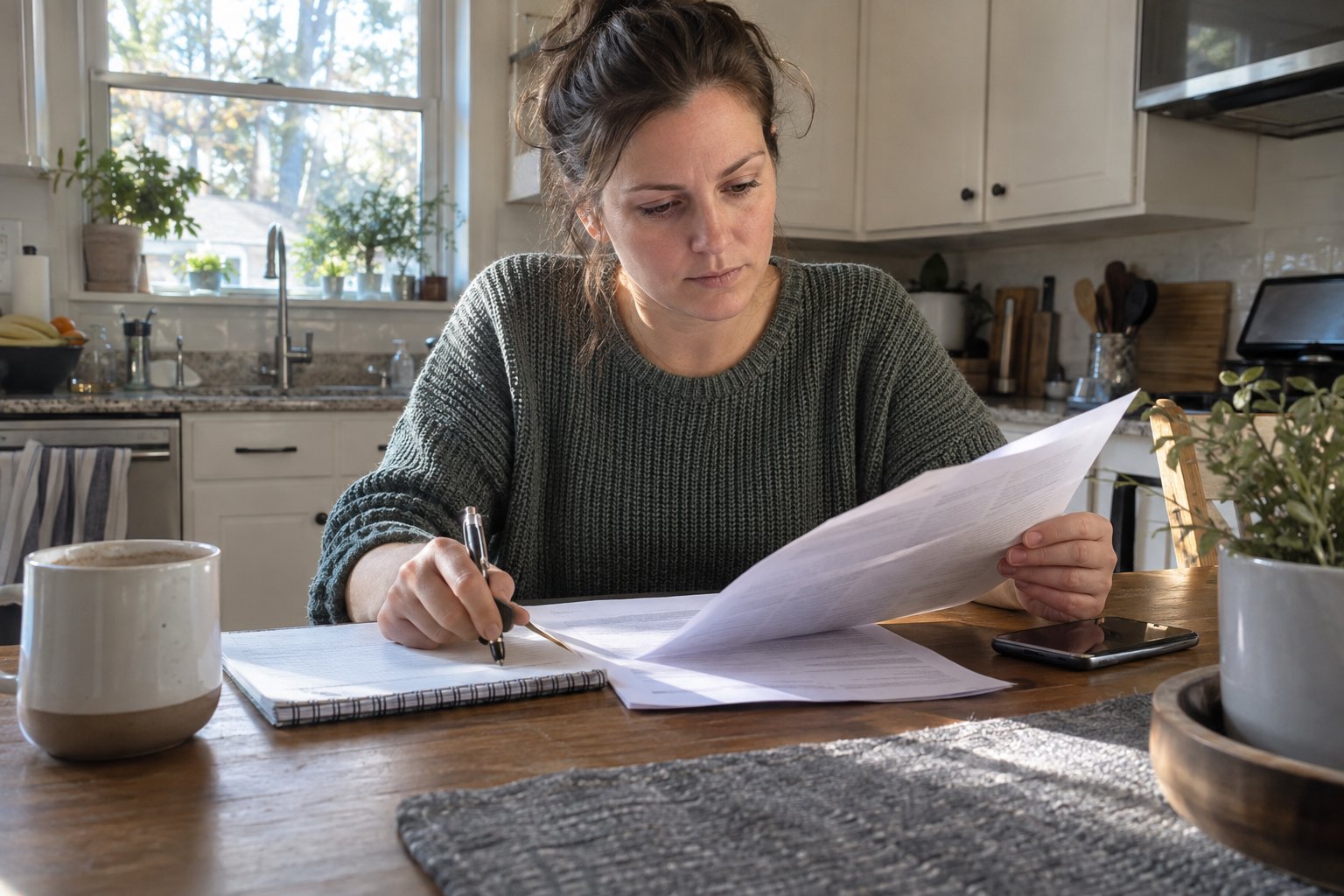
Once you have a rough sense of how long the whole process will take, it is worth reviewing a room-by-room packing timeline so the kids' room does not get squeezed into the last chaotic day. And if your children are of an age to be genuinely unsettled by the change, it helps to talk through why moving is stressful in terms they can understand, since naming the feeling often reduces it.
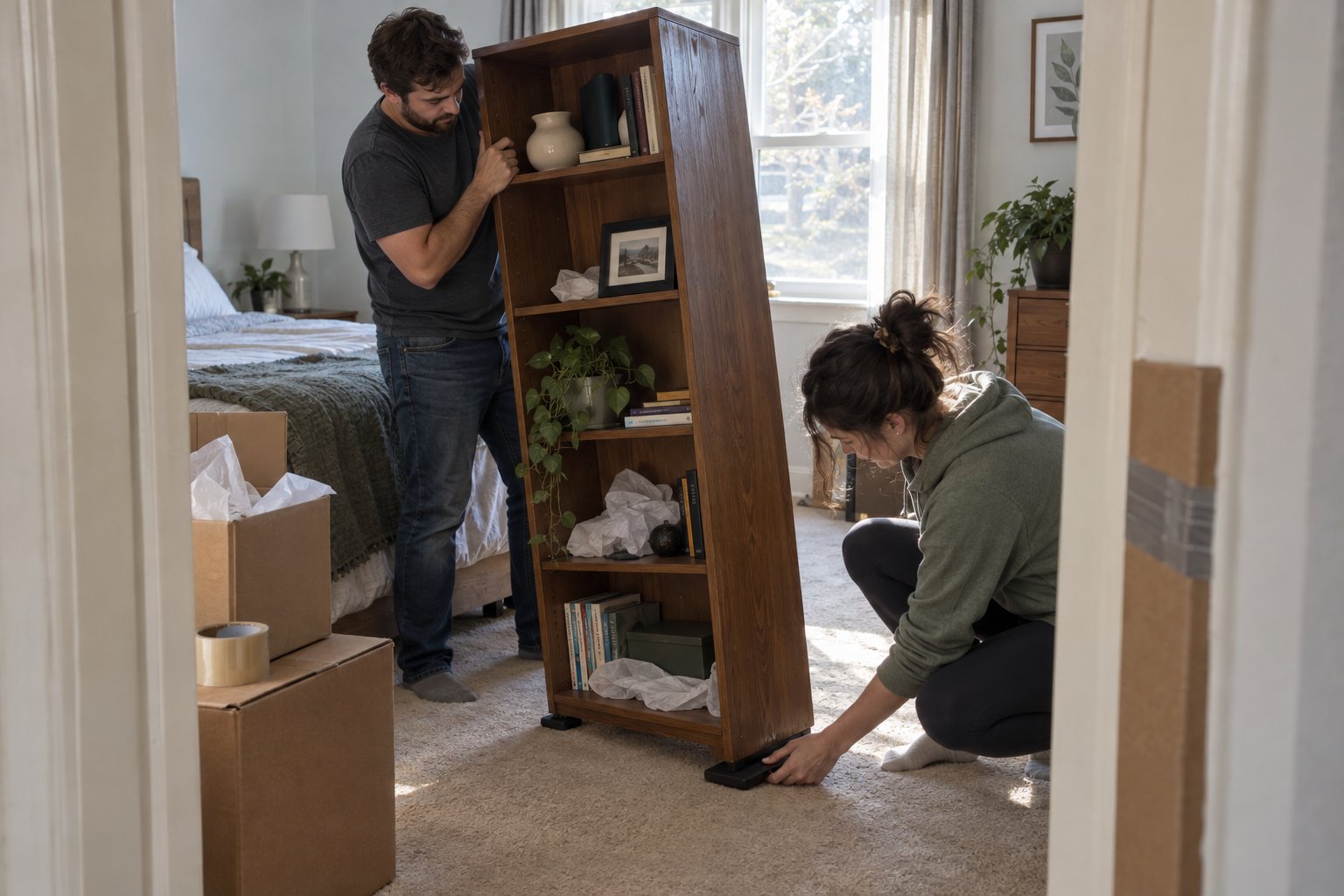
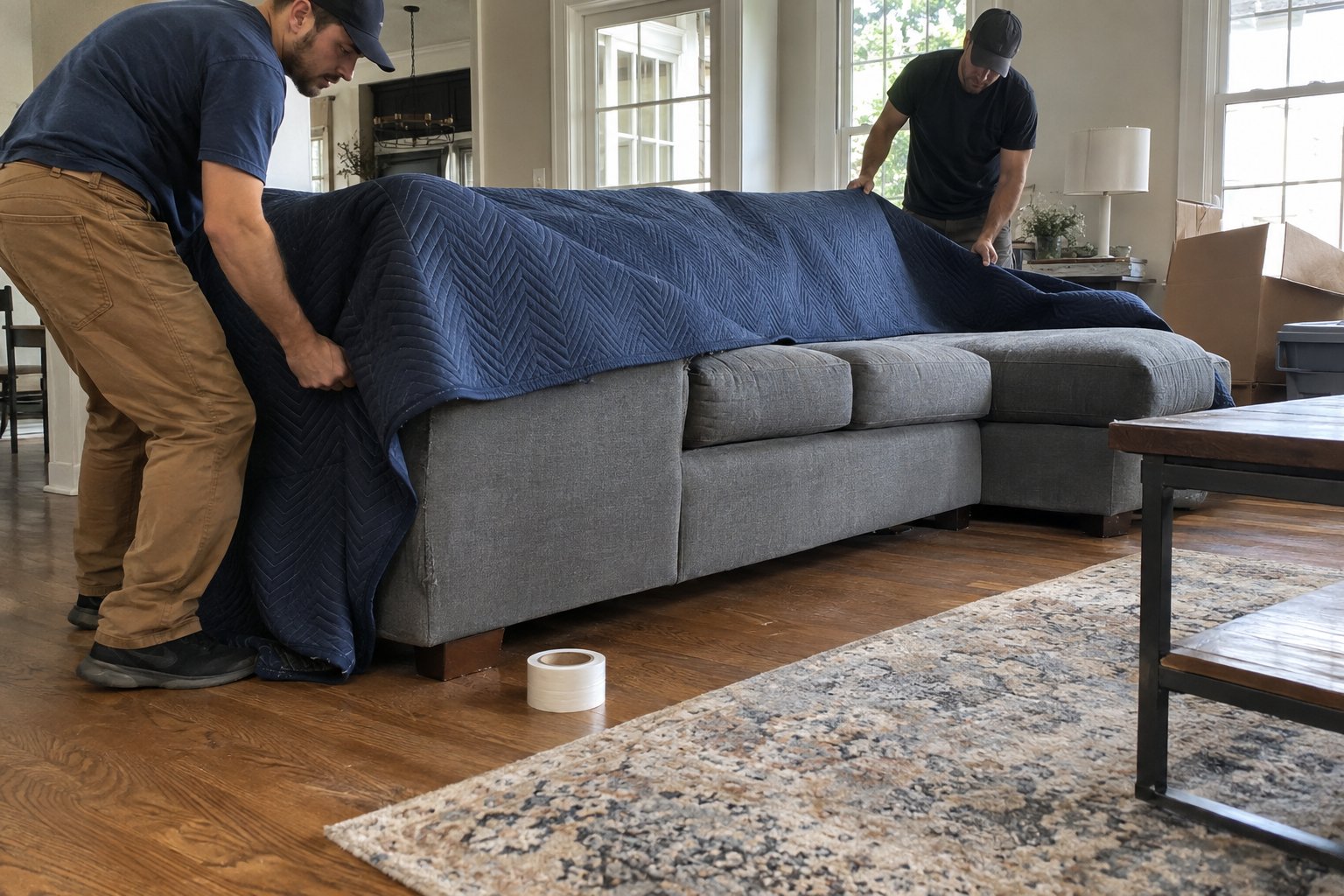
If heavy furniture like dressers or bed frames needs to come apart and go back together at the new place, that kind of labor is worth planning for separately from the packing itself. When you are ready to lock in a date, request a moving quote and we will help you plan a timeline that works around your family's routine.