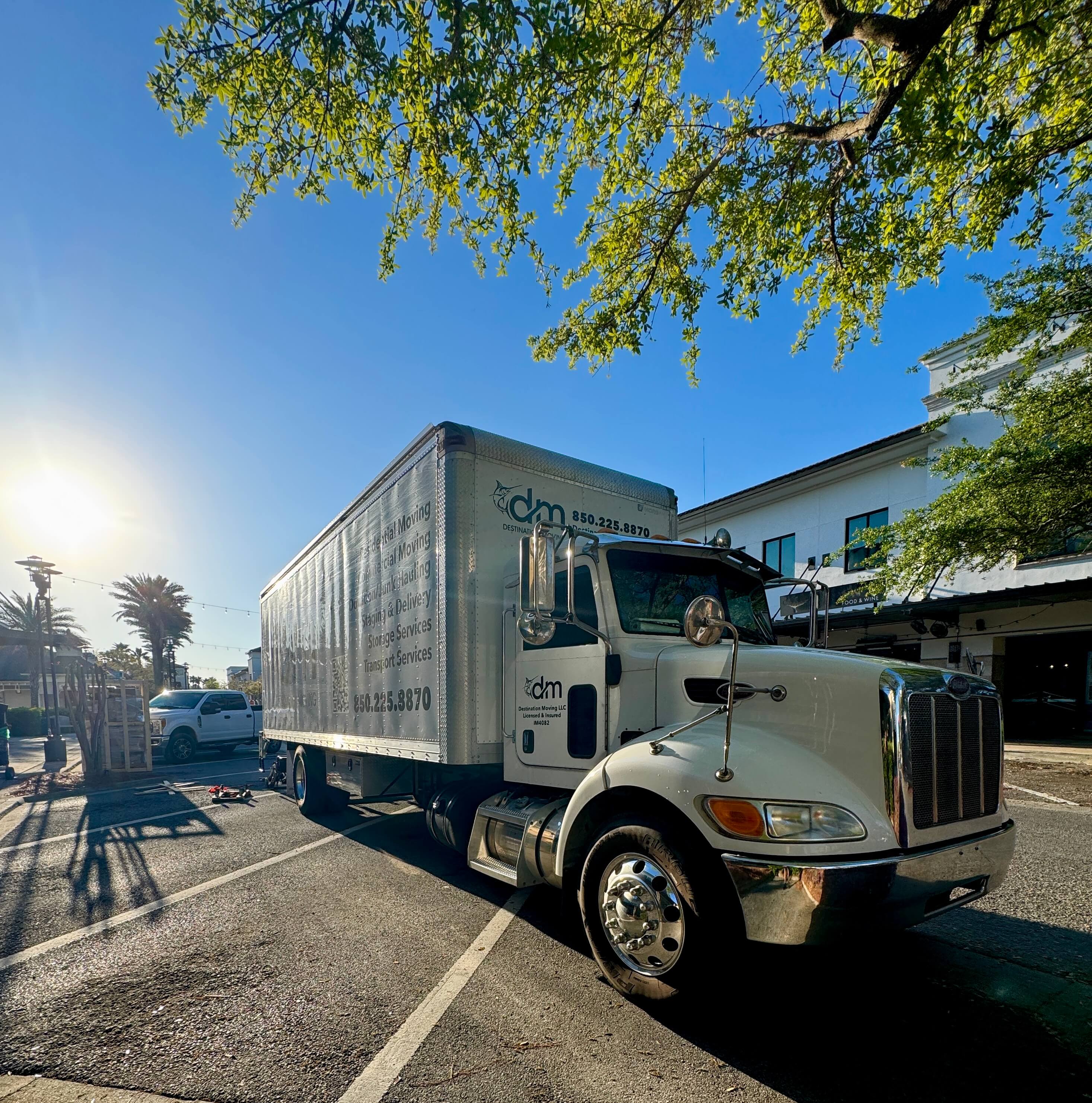
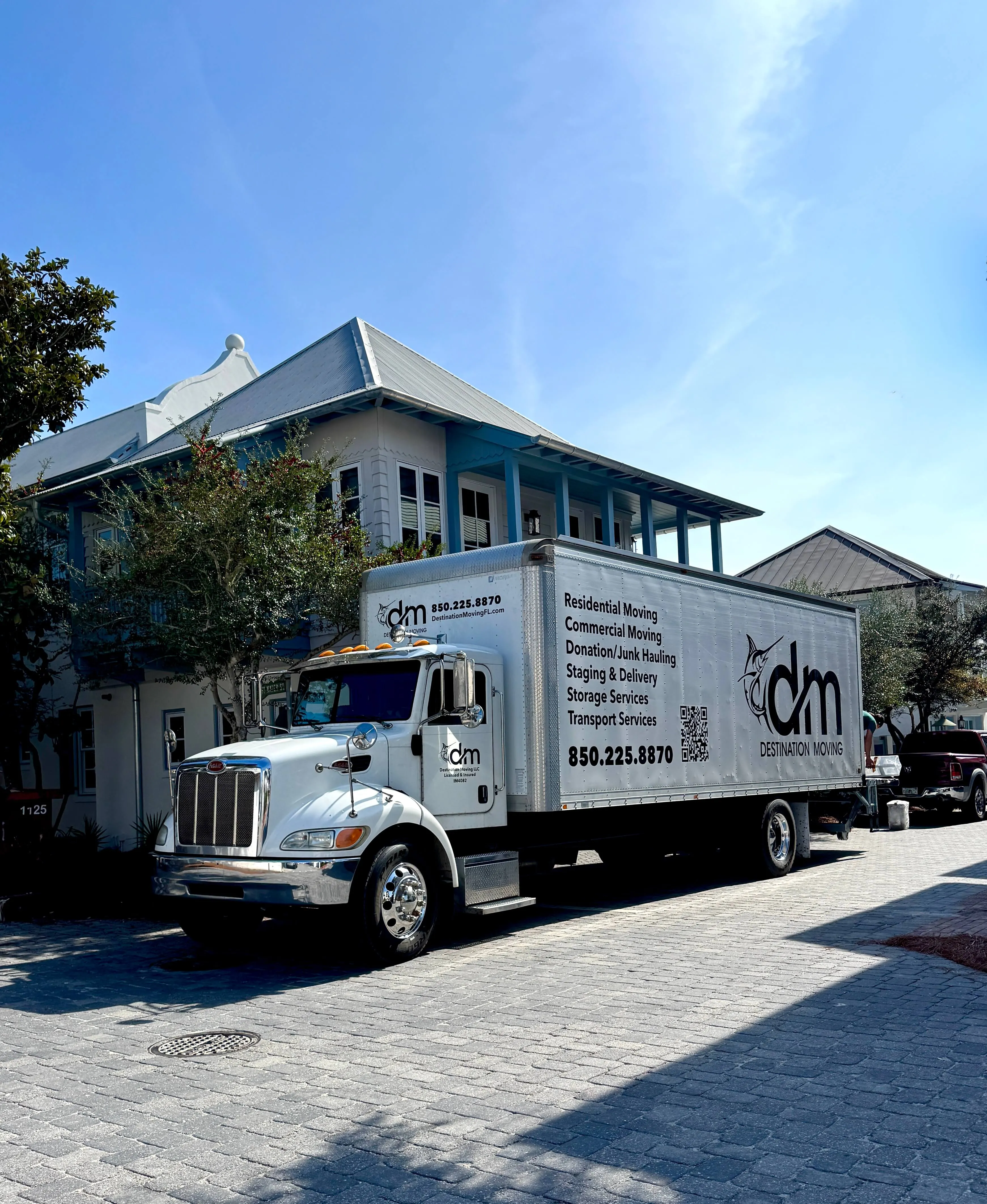
Moving is one of the most common major life events people experience. At some point nearly everyone relocates whether across town or across the country. The reasons behind these decisions vary widely and are often deeply personal. Understanding why people move helps individuals plan better and gives insight into how life changes shape where we choose to live. While moving can be stressful it is often driven by positive goals such as growth opportunity and improved quality of life. Working with professional moving services in Florida can also make the transition smoother and more manageable.
People move for practical emotional and economic reasons. Some relocations are planned years in advance while others happen suddenly due to unexpected changes. Jobs family housing costs and lifestyle preferences all play a role in relocation decisions. In many cases several factors overlap creating a strong push toward moving. By examining these motivations it becomes easier to approach the process with clarity and confidence.
This guide explores the most common reasons people relocate and how these motivations influence moving choices. Whether you are considering a move or simply curious about relocation trends understanding why people move can help you prepare for what comes next.
Job Opportunities and Career Growth
One of the most common answers to the question why do people move is employment. Career advancement often requires relocation especially for specialized roles or leadership positions. Many industries have regional hubs that attract professionals seeking higher salaries better benefits or long term stability.
Remote work has changed relocation patterns but jobs still remain a major driver. Some people move to be closer to their workplace while others relocate to areas with stronger job markets. Economic shifts also influence employment based moves as people leave regions with declining industries and relocate to areas experiencing growth. These transitions may include office expansions or business relocations that require reliable commercial moving services to minimize downtime and disruption.
For young professionals relocation can be a strategic move to build experience and expand opportunities. For others it may be necessary to maintain employment or adapt to company changes. In all cases work related moves tend to be planned carefully due to their financial impact.
Cost of Living and Housing Affordability
Rising living costs are another major reason people relocate. Housing prices rent utilities and taxes vary significantly by location. When expenses increase faster than income many households consider moving to more affordable areas.
Some people move from large cities to smaller communities to reduce housing costs while maintaining quality of life. Others relocate between states to take advantage of lower taxes or reduced daily expenses. Retirees often move for affordability to stretch fixed incomes further.
Housing affordability affects both renters and homeowners. Limited inventory or competitive markets can push families to explore new locations where they can find suitable housing within budget. These moves are often driven by long term financial planning.
Family and Relationship Changes
Family dynamics play a powerful role in relocation decisions. People frequently move to be closer to family members especially as parents age or children grow. Support networks become increasingly important during major life transitions.
Marriage divorce and expanding families also influence where people choose to live. Couples may relocate to start fresh together or find a location that supports both careers. Families often move to areas with better schools safer neighborhoods or more space.
Caring for relatives can require relocation either temporarily or permanently. These moves are often emotional and require balancing personal needs with family responsibilities.
Lifestyle Preferences and Quality of Life
Lifestyle changes are another key reason people move. Climate recreation cultural opportunities and pace of life all influence where individuals feel most comfortable. Some people seek warmer weather while others prefer quieter environments.
Urban residents may move to suburban or rural areas for more space and a slower pace. Others move to cities for access to entertainment education and social opportunities. Outdoor enthusiasts often relocate to regions offering hiking beaches or seasonal activities.
Quality of life considerations include commute times access to healthcare and community engagement. When people feel disconnected or dissatisfied with their surroundings relocation becomes a way to realign daily life with personal values.
Education and Academic Pursuits
Education is a common motivation for relocation particularly among students and families. Attending college graduate school or specialized programs often requires moving to a different city or state.
Families with children may relocate to access stronger school districts or educational resources. Education driven moves are typically planned around academic calendars and long term goals.
For students these moves represent independence and growth. For families they reflect investment in future opportunities. Education related relocations often lead to additional moves later as careers develop.
Downsizing and Life Stage Transitions
Life stages strongly influence moving decisions. Young adults often move for independence or career opportunities. Growing families seek larger homes while older adults may downsize after children leave home.
Downsizing reduces maintenance costs and simplifies daily living. Retirees frequently relocate to communities designed for active adults or areas closer to healthcare services.
These moves reflect changing priorities and physical needs. As lifestyles evolve homes and locations must adapt accordingly.
Health and Medical Needs
Health concerns can also prompt relocation. Access to specialized medical care rehabilitation services or healthier environments motivates many moves. People may relocate closer to hospitals specialists or supportive climates.
Some individuals move to reduce stress or improve overall wellbeing. Climate related health considerations such as respiratory conditions or mobility issues can influence location choices.
Health driven moves require careful planning and coordination especially when continuity of care is essential.
Housing Conditions and Property Changes
Changes in housing situations often lead to relocation. Rent increases lease expirations and property sales may require moving even when residents prefer to stay.
Homeowners may move due to maintenance challenges neighborhood changes or property value considerations. Natural disasters and property damage can also force relocation.
These moves may happen quickly and require flexible planning. Understanding options helps reduce disruption during unexpected housing transitions.
Personal Growth and New Beginnings
Sometimes people move simply for a fresh start. Relocation offers an opportunity to redefine routines relationships and goals. After major life events such as career changes loss or burnout people may seek a new environment.
Moving can support personal growth by exposing individuals to new cultures experiences and perspectives. These moves are often deeply personal and driven by intuition rather than necessity.
Economic Trends and Regional Shifts
Broader economic factors influence why people move on a large scale. Population shifts occur as regions gain or lose economic stability. Employment opportunities infrastructure investment and housing development all play roles.
People follow opportunity and stability. When regions experience growth people move in. When resources decline people move out. These patterns influence local communities and housing markets.
Understanding these trends helps individuals anticipate future opportunities and challenges.
Preparing for a Move Based on Your Motivation
Knowing why you are moving helps guide planning decisions. Career moves may prioritize timing while family moves focus on community. Lifestyle moves emphasize location features and amenities.
Identifying primary motivations helps set priorities and manage expectations. It also helps determine whether professional moving assistance is beneficial. Many people also take this opportunity to declutter and give back using donation and removal services to simplify the transition.
Clear goals make the relocation process more focused and less stressful.
Moving as a Strategic Life Decision
Relocation is rarely random. Whether driven by opportunity necessity or personal choice moving reflects changing needs and aspirations. Understanding why people move provides clarity and confidence during the process.
Every move represents a transition. With thoughtful planning and realistic expectations relocation can support growth stability and fulfillment.
If you are planning a move and would like guidance Destination Moving can help answer questions and support your relocation needs. You may contact them at 850 225 8870 or email daniel@destinationmovingfl.com for additional information.