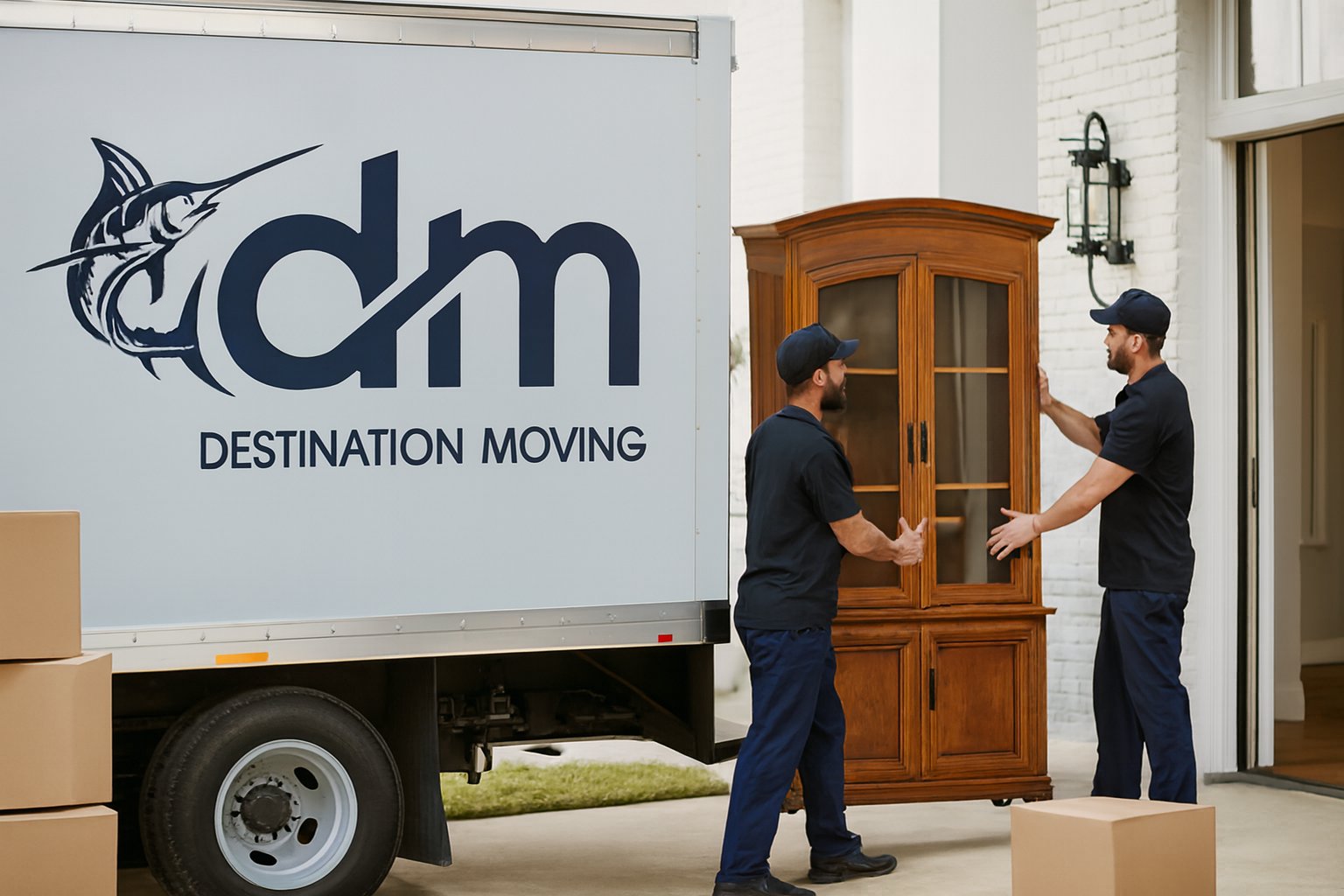
Moving a china cabinet without damage comes down to three things: emptying it completely, protecting or removing the glass, and keeping the piece upright the entire time it is in transit. China cabinets are tall, top-heavy, and full of the exact kind of joints and panels that crack under sideways pressure. Most damage happens not from a dramatic drop but from small mistakes: a door left unlatched, a cabinet tipped onto its back, or glass left loose inside a frame that flexes on the truck.
This guide walks through the process in the order it actually happens on moving day, from clearing the shelves to setting the cabinet down in its new spot, so you know exactly what to do at each stage.
Why Do China Cabinets Get Damaged So Often During a Move?
China cabinets get damaged more than most furniture because they combine three risk factors at once: glass panels, a tall and narrow profile, and joints that were built for standing still, not for riding in a truck. Any one of those alone is manageable. Together, they punish shortcuts.
The glass is the obvious risk, but the frame is just as vulnerable. Many cabinets use glued dowel joints or thin wood trim around the glass inserts, and repeated vibration on a long drive can loosen these over time even if nothing looks wrong immediately after the move. A cabinet that survives the truck ride can still develop a wobble or a hairline crack that shows up weeks later.
How Do You Prepare a China Cabinet Before Moving Day?
Preparation means emptying every shelf and drawer, removing loose glass, and taking off any parts that stick out or move independently. Do this at least a day before the move, not the morning of, so nothing gets rushed.
Start from the top shelf and work down, wrapping each piece of china or crystal individually and packing it in a dedicated dish-pack box rather than loose in a drawer. Take photos of the shelf layout before you start if you want to reassemble it the same way later. Remove any glass shelves entirely; they are rarely held in place by more than small pegs or clips, and they will slide and shatter if left inside during transport.
Removing Doors and Glass Panels
If the cabinet has hinged glass doors, take them off the hinges rather than just latching them shut. A latch can pop open under vibration, and a swinging glass door inside a moving truck is one of the fastest ways to end up with a shattered panel. Wrap each door in a moving blanket or bubble wrap and transport it flat, never leaning against another object edge-first.
For cabinets with fixed glass panes in the sides or top, apply painter's tape in an X pattern across the glass. This will not stop a hard impact, but it keeps a cracked pane from spraying shards if it does break, and it gives you a visual reminder to handle that side carefully.
Should You Disassemble a China Cabinet for Moving?
Yes, if the cabinet separates into a hutch top and a base, always split it into those two pieces before moving day. Most china cabinets are built in two sections for exactly this reason, and moving them as one tall unit dramatically increases the risk of tipping and puts unnecessary strain on the joint where the pieces meet.
Once separated, wrap each section in furniture blankets and secure them with moving straps, not just tape or shrink wrap, which can stretch and slip. If your cabinet has a solid top hutch that does not lift off, treat it as a single very tall, very top-heavy piece and plan for at least two people to keep it stable at all times, both during carrying and while loading.
Feet, decorative crown molding, and any detachable trim should come off if they are not structural. These pieces stick out past the main frame and are the first thing to snap off when the cabinet brushes a doorway or gets set down at an angle.
How Do You Load and Transport a China Cabinet Safely?
A china cabinet should always ride upright, never laid on its back or side, and it needs to be strapped to the wall of the truck so it cannot shift during the drive. Laying it flat puts pressure on the frame in a direction it was never built to handle, and it is one of the most common causes of warped doors and cracked back panels.
Place the cabinet against the truck's sidewall, away from anything heavier that could tip into it, and use furniture straps or ratchet straps padded with a blanket at the contact point to hold it firmly in place. Load it after the large flat furniture (mattresses, table tops) but before loose boxes, so nothing gets stacked directly against the glass or veneer. Leave a small gap between the cabinet and neighboring items rather than wedging it in tight; contact points are where scuffs and pressure cracks happen.
What Tools Make a China Cabinet Move Easier?
A furniture dolly, moving blankets, and ratchet straps are the core tools for this job. A four-wheel dolly lets two people move a heavy hutch base without lifting it the full distance, which matters because china cabinets are often heavier than they look once you account for solid wood construction and any glass still in the frame.
Corner protectors are worth adding for cabinets with fine wood trim or veneer edges, since these are the parts most likely to chip against a doorframe. If your cabinet is an antique or has any decorative glass (leaded, beveled, or colored panes), treat it the way you would fragile items for moving generally: individually wrapped, boxed flat, and carried separately from the main frame rather than left installed.
DIY or Call in Help for a China Cabinet Move?
A single-piece, modern china cabinet with removable shelves is manageable for two capable people with the right equipment. An antique hutch, a cabinet with irreplaceable glass, or any move involving stairs and tight turns is a better candidate for professional movers, since the cost of a mistake (a cracked heirloom pane, a strained back) usually outweighs what you save doing it yourself.
If you are already budgeting movers for other parts of the house, it is worth asking whether professional loading and unloading assistance can cover just the heavy or fragile pieces like the china cabinet while you handle the rest yourself. This hybrid approach keeps costs down without putting your most breakable furniture at risk.
Frequently Considered Before Moving Day
Before the truck arrives, confirm the cabinet fits through every doorway and stairwell on both ends of the move, measuring the diagonal clearance, not just the width, since tall pieces often need to tilt to clear a doorway. Confirm you have enough moving blankets for both the hutch and base sections, and set aside the hardware (shelf pegs, hinges, screws) in a labeled bag taped to the inside of the cabinet so nothing goes missing before reassembly.
If this cabinet is one of several fragile, high-value pieces going with you, it may be worth reviewing our broader guide on how to pack fragile items for moving so glassware, mirrors, and cabinet glass all get consistent protection throughout the house.