Moving an aquarium safely means separating the fish, the water, and the tank into three distinct problems and solving each one before moving day, not during it. Fish are extremely sensitive to temperature swings, ammonia spikes, and physical jostling, so a rushed tank move can kill an entire population of fish in a matter of hours. With the right prep, most home aquariums can survive a local or even long-distance move with little to no loss.
The biggest mistake people make is treating an aquarium like a fragile piece of furniture. It is actually a small, closed ecosystem, and every part of that ecosystem, including the beneficial bacteria living in the gravel and filter, needs to survive the trip along with the fish themselves.
How Far in Advance Should You Start Preparing to Move an Aquarium?
Start preparing your aquarium at least one to two weeks before moving day, especially if the tank is larger than 20 gallons or holds sensitive species. This gives you time to source the right containers, taper feeding, and stabilize water chemistry before the actual transport window.
In the days leading up to the move, stop feeding your fish 24 to 48 hours in advance. An empty digestive tract produces less waste, which means less ammonia buildup in a bagged or bucketed fish during transit. This is standard practice among aquarium hobbyists and shippers, and it makes a real difference over several hours of travel.
If you are relocating with other large household items at the same time, it helps to plan the aquarium breakdown around your broader residential moving timeline so the tank is one of the last things disassembled and one of the first things reassembled at the new address.
Transporting the Fish Themselves
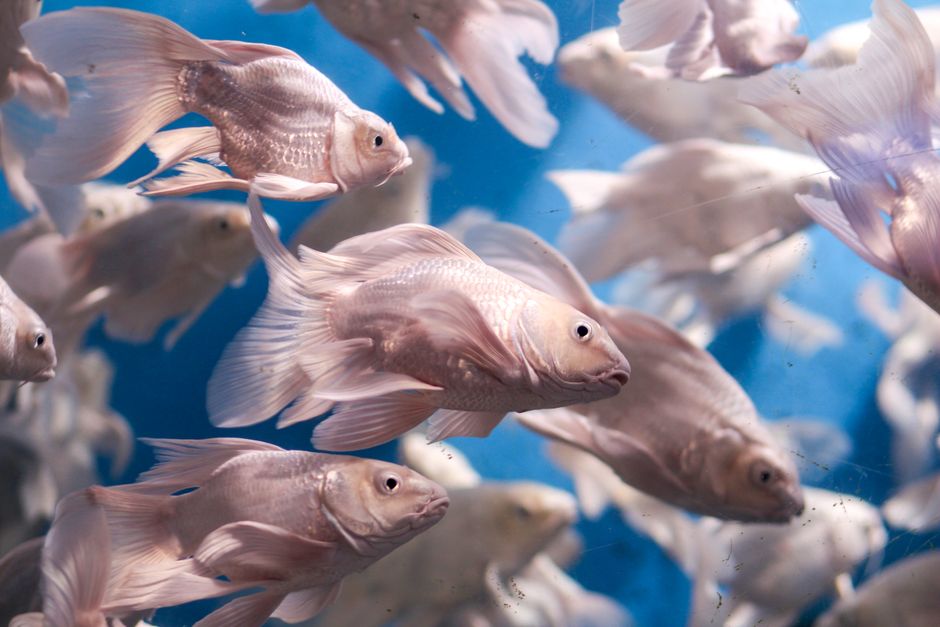
Fish travel best in individual, sealed bags filled mostly with air and partially with tank water, placed inside an insulated cooler to buffer temperature changes. This method is what pet stores and breeders use for shipping, and it works just as well for a household move across town or across the state.
For each fish, use a clean plastic bag (a fresh fish-shipping bag if you can get one, or a heavy-duty zip-top bag as a backup), fill it about one-third with existing tank water, and leave the rest as air space. Double-bag aggressive or spiny species so a fin does not puncture the bag. Keep the bags upright inside a cooler or insulated box, and avoid stacking anything heavy on top.
Keep the cooler in the climate-controlled part of the vehicle, never in a hot trunk or an unheated cargo area. Temperature shock is one of the leading causes of fish loss during a move, and it is completely avoidable with basic planning.
Special Handling for Delicate or Large Species
Larger fish, bottom feeders, and anything with delicate fins need more water volume and less crowding per bag. If you keep a larger species like an oscar or a pleco, give it its own dedicated container rather than grouping it with smaller tankmates, and reduce travel time as much as possible by having everything else pre-staged before you bag the fish.
What Do You Do With the Aquarium Water During a Move?
Save as much of your existing tank water as possible, since it already contains the beneficial bacteria your fish and filter rely on. Store this water in clean, food-grade buckets with tight lids, and use it to refill the tank at your new home instead of starting over with fresh tap water.
Do not drain and discard all the water and plan to "start fresh" on the other end. A brand-new tank cycle can take weeks to stabilize, and dropping fish into uncycled water is a common cause of post-move fish die-off. Saving even 50 to 75 percent of the original water and topping off the rest gives your tank a head start on staying balanced.
Keep your filter media (sponges, bio-balls, cartridges) wet during the move by sealing them in a bag with a bit of tank water. Letting filter media dry out kills the bacteria colony living inside it, which defeats the purpose of saving the water in the first place.
Breaking Down and Reassembling the Tank Safely
Empty the tank completely before moving it, remove all decorations and substrate separately, and never lift a glass tank by its rims or trim. Glass aquariums are heavier and more fragile than they look once emptied, and stress cracks can form from uneven lifting even if the tank appears undamaged.
Wrap the empty tank in moving blankets or bubble wrap and transport it upright, the same orientation it sits in at home. Laying it flat or on its side, even briefly, can put uneven pressure on the seams and cause leaks once it is refilled. Pack gravel and substrate in sealed, sturdy containers rather than plastic bags, since a torn bag can spill several pounds of wet gravel across the truck.
Heavy tanks, stands, and stocked fish rooms can quickly become a two-person job, and larger aquariums often weigh more than most homeowners expect once stands and cabinetry are factored in. If you would rather not lift a 55-gallon tank and stand alone, our moving labor services team can help handle the heavy lifting and hauling on both ends of the trip.
Reassembling at the New Home
Set the tank back up as soon as you arrive, ideally within a few hours. Add your saved water first, reinstall the filter media while it is still damp, add substrate and decorations, then slowly acclimate the fish back into the tank the same way you would when introducing new fish, by floating the sealed bags in the tank water for 15 to 20 minutes before release.
Common Aquarium Moving Mistakes to Avoid
Most aquarium moving disasters trace back to one of three errors: draining all the water, letting the tank sit empty for too long between breakdown and setup, or exposing bagged fish to extreme temperatures in a vehicle. Avoiding these three mistakes solves the majority of aquarium moving problems before they start.
- Do not clean the gravel or filter media right before a move. A "clean" tank has fewer beneficial bacteria, which makes the new setup less stable, not more.
- Do not leave bagged fish in a hot car, even for a quick errand stop. Temperatures inside a parked vehicle climb fast, even on mild days.
- Do not skip the acclimation step at the new home. Dropping fish straight into new water without floating the bag first can shock them with a sudden temperature or chemistry change.
- Do not wait days to reassemble the tank. The longer the ecosystem sits broken down, the more bacteria die off and the harder the tank is to restabilize.
If your move involves a lot of specialty items beyond the aquarium, like electronics, artwork, or other fragile belongings, it is worth reviewing our broader guide on packing fragile items for moving so nothing else gets overlooked while you are focused on the fish.
Should You Hire Movers for an Aquarium Move?
You can move a small aquarium yourself, but larger tanks, long-distance trips, or a household move with multiple heavy items are usually easier with professional help. A moving crew can handle the tank, stand, and gravel while you focus entirely on the fish and water, which are the two things you should not delegate to anyone else.
If your aquarium move is part of a larger relocation, ready to talk through logistics with a real moving coordinator? Get Free Quote and we will help you plan the heavy lifting around your fish tank's timeline.